Understanding 100% Cotton & Shrinkage
100% cotton’s shrinkage is a common concern, especially during the initial wash; however, understanding fiber properties and proper care minimizes issues.
Polyester blends resist shrinking, unlike pure cotton, due to its synthetic, petroleum-based composition, offering greater wash-and-dry flexibility.
Washing below 85°F significantly reduces shrinkage – up to 75% – making temperature control crucial for maintaining garment size and shape.
Overdrying can cause reversible shrinkage, even after the initial wash, highlighting the importance of careful drying practices for long-term wear.
Manufacturers apply treatments to limit shrinkage, and higher quality, long-staple cotton generally shrinks less, impacting garment durability.
The Unique Properties of 100% Cotton
100% cotton is celebrated for its breathability, softness, and comfort, making it a popular choice for everyday clothing. However, these desirable qualities stem from the very structure that makes it prone to shrinkage. Cotton fibers naturally contract when exposed to heat and water, a characteristic inherent to its cellulose composition.
Unlike synthetic fibers like polyester, which maintain their shape regardless of temperature, cotton’s fibers swell and tighten during washing and drying. This process leads to a reduction in garment size, particularly noticeable after the first wash. The degree of shrinkage depends on the quality of the cotton; higher quality, long-staple cotton tends to shrink less than shorter-staple varieties.
Furthermore, the manufacturing processes can also influence shrinkage. Pre-shrinking treatments are often applied, but these aren’t always fully effective. Understanding these unique properties is the first step in effectively caring for and minimizing shrinkage in 100% cotton garments.
Why 100% Cotton Shrinks
100% cotton shrinks due to the natural behavior of its cellulose fibers when interacting with water and heat. These fibers possess a coiled structure; when wet, they swell and then contract as they dry, causing the fabric to tighten and reduce in size. This process is most pronounced during the initial wash, often referred to as ‘terminal shrinkage’.
Hot water significantly exacerbates this effect, as it encourages greater fiber swelling and subsequent contraction. Conversely, washing in cold water (below 85°F) minimizes shrinkage by limiting fiber expansion. Overdrying also contributes to shrinkage, even after the initial wash, as excessive heat further encourages fiber contraction.
While some shrinkage is inevitable, understanding these mechanisms allows for proactive care. Choosing appropriate washing temperatures and drying methods can significantly reduce the extent of shrinkage and preserve the garment’s original size and fit.
Cotton Fiber Types & Shrinkage Potential
Not all 100% cotton fabrics shrink equally; the type of cotton fiber significantly influences shrinkage potential. Longer-staple cottons, like Pima or Egyptian cotton, generally exhibit less shrinkage compared to shorter-staple varieties. This is because longer fibers are more durable and less prone to distortion during washing and drying.
The manufacturing process also plays a role. Fabrics that haven’t been pre-shrunk will experience more significant shrinkage upon the first wash. Manufacturers can apply various treatments to cotton to minimize shrinkage, stabilizing the fibers and reducing their tendency to contract.
Understanding the fiber type and pre-treatment status is crucial for informed care. While all cotton will shrink to some degree, choosing higher-quality, pre-shrunk cotton and following gentle washing practices can minimize unwanted size reduction.
Washing 100% Cotton: Best Practices
Prioritize cool or cold water washes below 85°F to minimize shrinkage, and select a gentle detergent formulated for cotton fabrics for optimal results.
Water Temperature: The Key to Minimizing Shrinkage
Water temperature plays a pivotal role in preventing shrinkage of 100% cotton garments. A study detailed in the Textile Research Journal demonstrates a significant correlation: washing cotton in water below 85°F can reduce shrinkage by as much as 75% compared to using hot water.
This difference is particularly crucial for items explicitly labeled as 100% cotton, as these are most susceptible to shrinking. Hot water causes the cotton fibers to tighten and constrict, leading to a reduction in size. Conversely, cooler water allows the fibers to remain more relaxed, preserving the garment’s original dimensions.
Therefore, consistently opting for cold water washes is a proactive step towards maintaining the fit and shape of your cotton clothing, extending its lifespan and ensuring continued comfort.
Washing in Cold Water (Below 85°F)
Prioritizing cold water washes – defined as below 85°F – is the most effective strategy for minimizing shrinkage in 100% cotton clothing. This temperature prevents excessive fiber constriction, a primary cause of garment size reduction during laundering.
Cold water washing is not merely about preventing shrinkage; it also benefits the fabric’s color and overall integrity. It reduces dye fading and minimizes wear and tear on the fibers, extending the life of your garments. Modern detergents are formulated to perform effectively in cold water, ensuring a thorough clean without compromising fabric care;
Make it a habit to check your washing machine’s temperature settings and consistently select the coldest option available for all your 100% cotton items.
Avoiding Hot Water Washes
Hot water is a significant contributor to shrinkage in 100% cotton fabrics, and should be strictly avoided. The elevated temperature causes the cotton fibers to tighten and contract, resulting in noticeable and often irreversible size reduction. This is particularly true for the initial wash, where the greatest amount of shrinkage typically occurs.
A study in the Textile Research Journal demonstrated that washing cotton in water below 85°F reduced shrinkage by as much as 75% compared to hot water washing, highlighting the dramatic impact of temperature control.
Always double-check washing machine settings before starting a load, ensuring the temperature is set to cold or, at most, warm. Protecting your cotton garments from hot water is a simple yet crucial step in preserving their fit and shape.
Detergent Choice for 100% Cotton
Selecting the right detergent is crucial for maintaining the integrity of 100% cotton garments during washing. While most standard laundry detergents are suitable, avoiding harsh chemicals and opting for gentler formulas is recommended to minimize fiber damage and potential shrinkage.
Detergents specifically designed for delicate fabrics or colors can be particularly beneficial, as they often contain enzymes that help preserve fabric structure.
It’s generally advisable to avoid detergents with bleach or brighteners, as these can weaken cotton fibers over time. Using the appropriate amount of detergent, as indicated on the packaging, is also important to ensure thorough cleaning without leaving residue that could affect the fabric’s texture or breathability.
Washing Machine Settings for Cotton
Optimizing your washing machine settings is paramount when cleaning 100% cotton to prevent unwanted shrinkage and maintain fabric quality. The gentle cycle is generally preferred over the regular cycle, as it utilizes lower agitation speeds and a slower spin cycle, reducing stress on the cotton fibers.
However, a regular cycle can be used for heavily soiled items, but always paired with cold water.
Avoid using high spin speeds, as these can contribute to wrinkling and potential fiber distortion. Selecting a lower spin speed or even opting for a no-spin cycle can be beneficial, especially for delicate cotton items. Always check garment care labels for specific recommendations, and remember that proper machine settings are key to preserving the shape and size of your cotton clothing.
Gentle Cycle vs. Regular Cycle
Choosing between the gentle and regular cycle for 100% cotton hinges on the garment’s condition and your shrinkage concerns. The gentle cycle employs slower agitation and spin speeds, minimizing stress on fibers – ideal for preserving shape and reducing shrinkage potential. It’s best for everyday washes and delicate cotton items.
The regular cycle, with its more vigorous action, is suitable for heavily soiled cotton, but demands caution. Always combine it with cold water to mitigate shrinkage risks.
Prioritize the gentle cycle whenever possible, especially for new or frequently washed items. While the regular cycle offers increased cleaning power, the gentle cycle provides a safer, more protective wash for your 100% cotton garments.
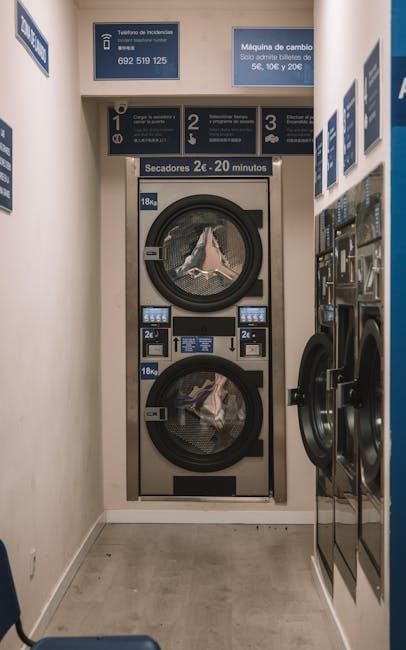
Drying 100% Cotton: Preventing Shrinkage
Dryer heat significantly impacts cotton shrinkage; air drying or utilizing low heat settings are crucial. Overdrying causes reversible shrinkage, impacting garment fit.
Controlling heat exposure is paramount to preserving the size and shape of your 100% cotton clothing items.
The Impact of Dryer Heat on Cotton
Dryer heat is a primary contributor to cotton shrinkage, fundamentally altering the fabric’s structure. Cotton fibers expand when wet and, upon exposure to high temperatures, contract and lock into a smaller size. This process explains why even careful washing can result in noticeable shrinkage if the drying stage isn’t managed correctly.
The intensity of the heat directly correlates with the degree of shrinkage; higher temperatures cause more significant contraction. While convenient, hot dryer settings can irreversibly diminish the size of 100% cotton garments. Even after the initial wash, overdrying can cause reversible shrinkage throughout the garment’s lifespan, continually impacting its fit.
Understanding this impact is crucial for preserving the integrity and size of your cotton clothing. Prioritizing gentler drying methods, like air drying or utilizing low heat settings, is essential for minimizing shrinkage and extending the life of your favorite cotton items.
Air Drying vs. Machine Drying
Air drying is the gentlest method for preserving 100% cotton garments, minimizing shrinkage by avoiding heat exposure altogether. Laying items flat or hanging them allows the fibers to dry naturally, maintaining their original shape and size. While time-consuming, this approach is ideal for delicate cotton pieces or those prone to significant shrinkage.
Machine drying, conversely, presents a higher risk of shrinkage, particularly with high heat settings. However, it doesn’t have to be avoided entirely. Utilizing low heat settings significantly reduces the impact, offering a balance between convenience and fabric preservation.
Avoiding overdrying is paramount, regardless of the method. Removing garments while slightly damp and allowing them to finish air drying prevents excessive fiber contraction and maintains their intended fit. Choosing the right drying method is key to long-term cotton care.
Low Heat Dryer Settings
When machine drying 100% cotton, prioritizing low heat is crucial to minimize shrinkage. These settings, often labeled “delicate” or “gentle,” utilize lower temperatures, reducing the stress on cotton fibers. This prevents excessive contraction during the drying process, helping garments retain their original dimensions.
Even with low heat, it’s vital to avoid complete drying. Removing items while they’re still slightly damp allows the remaining moisture to evaporate naturally, further lessening the risk of shrinkage. This practice is especially important for items known to shrink easily.
Remember, even if cotton shrinks on a low setting, it won’t become unwearable. Utilizing these settings offers a practical compromise between convenience and fabric care, ensuring your cotton garments remain comfortable and well-fitting for longer.
Avoiding Overdrying

Overdrying is a primary culprit in cotton shrinkage, even causing reversible shrinkage throughout a garment’s lifespan. The intense heat aggressively contracts the cotton fibers, leading to noticeable size reduction. To combat this, prioritize removing clothes from the dryer while they retain a slight level of dampness.
Allowing garments to air dry partially, or fully, is an excellent alternative. This gentle process minimizes heat exposure, preserving the fabric’s shape and size. Spreading items flat or hanging them allows for even drying without the damaging effects of high temperatures.
Consistent monitoring during machine drying is key. Regularly checking for dampness and promptly removing items prevents unnecessary heat exposure, safeguarding against unwanted shrinkage and extending the life of your 100% cotton clothing.
Addressing Initial Shrinkage
The first wash often causes the most significant shrinkage, either a terminal, permanent change or a reversible one, depending on care practices.
Understanding this initial shrinkage is crucial for adjusting washing and drying routines to minimize future size alterations.
The First Wash Shrinkage
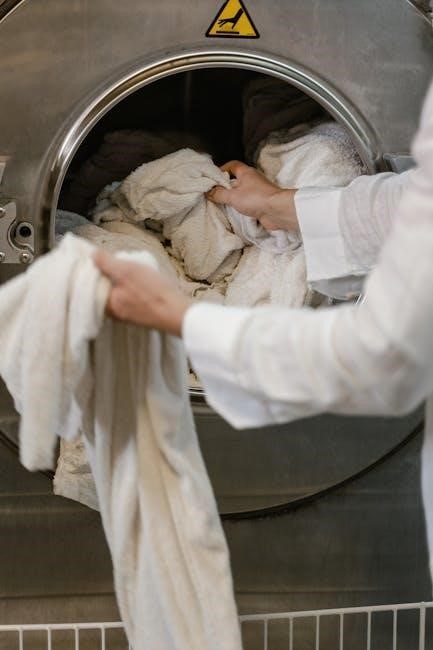
The initial wash of 100% cotton garments frequently results in the most noticeable shrinkage, a phenomenon stemming from the relaxation of fibers during the manufacturing process. These fibers, often stretched during weaving or knitting, contract when exposed to water and heat for the first time. This initial shrinkage can be either permanent or reversible, depending on how the garment is handled.
It’s often described as a “terminal” shrinkage, meaning the cotton reaches a stable state after this first wash. However, subsequent washes, particularly with improper drying techniques, can still induce further, albeit usually smaller, shrinkage. Understanding this initial impact is vital for predicting how your cotton clothing will fit over time and adjusting care routines accordingly. Proper washing temperatures, below 85°F, and gentle drying methods are key to mitigating this effect.
Manufacturers sometimes pre-shrink cotton, but even pre-shrunk items can experience minor adjustments after the first laundering.
Permanent vs. Reversible Shrinkage
Distinguishing between permanent and reversible shrinkage is crucial for managing 100% cotton garments. Permanent shrinkage occurs during the initial wash, stemming from irreversible fiber contraction, often during manufacturing or the first wet wash. This results in a lasting reduction in garment size, and is often considered “terminal”.
Reversible shrinkage, however, is often induced by excessive heat during drying. Cotton fibers can temporarily constrict with high temperatures, appearing smaller, but can sometimes be restored with gentle stretching or steaming. Overdrying is a primary culprit, causing this temporary deformation.
Understanding this difference informs care practices; while permanent shrinkage is unavoidable, minimizing reversible shrinkage is achievable through cool washing and low-heat drying. Careful attention to these details extends the lifespan and fit of your cotton clothing.
Specific Cotton Garment Care
Each 100% cotton item requires tailored care; t-shirts, sweatshirts, and jeans benefit from gentle cycles, cool water, and low-heat drying to prevent shrinkage.
Proper washing preserves shape and color, while avoiding excessive heat safeguards against irreversible fiber damage and maintains garment integrity.
Following these guidelines extends the life of your cotton wardrobe, ensuring lasting comfort and style with minimal shrinkage concerns.
Washing 100% Cotton T-shirts
Washing 100% cotton t-shirts correctly is vital to prevent unwanted shrinkage and maintain their shape and vibrancy. Always turn your t-shirts inside out before placing them in the washing machine; this protects the printed designs and colors from fading during the wash cycle.
Opt for a cold water wash, ideally below 85°F (29°C), as hotter temperatures are a primary cause of cotton shrinkage. Utilize a gentle cycle setting on your washing machine to minimize agitation and stress on the fabric fibers.
When selecting a detergent, choose a mild one specifically designed for delicate fabrics or colors. Avoid harsh chemicals, bleach, or fabric softeners, as these can weaken the cotton fibers over time. After washing, gently reshape the t-shirt and either lay it flat to air dry or tumble dry on a low heat setting.
Avoid overdrying, as this can also contribute to shrinkage. Removing the t-shirt while it’s still slightly damp and allowing it to finish air drying can help maintain its size and shape;
Washing 100% Cotton Sweatshirts
Maintaining the fit and feel of your 100% cotton sweatshirts requires careful washing practices. Begin by turning the sweatshirt inside out to protect the outer fabric and any printed designs from abrasion during the wash cycle. This simple step significantly extends the life and appearance of your garment.
Always wash your cotton sweatshirts in cold water – below 85°F (29°C) – to minimize the risk of shrinkage. Select a gentle cycle on your washing machine to reduce agitation and prevent excessive wear and tear on the fibers.
Use a mild detergent formulated for delicate fabrics, avoiding harsh chemicals or bleach. While some believe proper settings prevent shrinkage, remember initial shrinkage is common. After washing, reshape the sweatshirt and either lay it flat to air dry or tumble dry on a low heat setting, avoiding overdrying.
Washing 100% Cotton Jeans
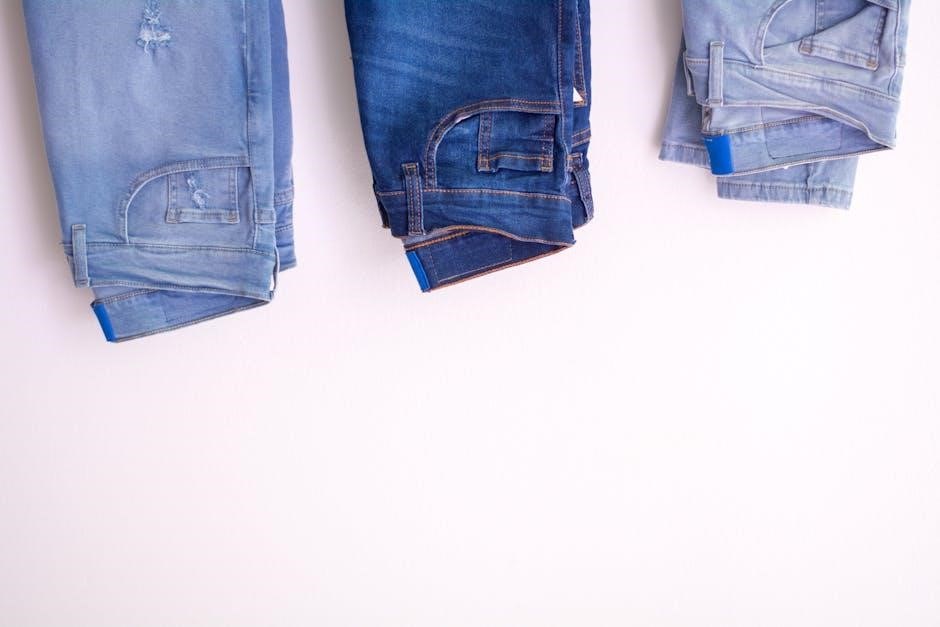
Washing 100% cotton jeans requires a slightly different approach than other cotton garments to preserve their shape and color. To minimize shrinkage and fading, turn your jeans inside out before washing. This protects the denim’s dye and reduces friction during the wash cycle.
Opt for cold water washes, as hot water significantly increases the likelihood of shrinkage. A gentle cycle is recommended to prevent excessive wear and tear on the denim fibers. Avoid using harsh detergents or bleach, as these can damage the fabric and cause fading.
After washing, reshape the jeans and hang them to air dry or tumble dry on a low heat setting. Overdrying should be avoided, as it can contribute to shrinkage and stiffness. Frequent washing isn’t necessary for jeans; spot cleaning can often suffice.
Dealing with Already Shrunken Cotton
Shrunken cotton can sometimes be stretched gently, but often the initial manufacturing or first wash causes permanent shrinkage; careful washing prevents further issues.
Reversible shrinkage occurs from overdrying, meaning gentle methods can restore some shape, but prevention through proper care is always the best approach.
Understanding shrinkage types guides expectations; while restoration is possible, maintaining size through correct washing and drying is more effective long-term.
Can You Stretch Shrunken Cotton?
Attempting to stretch shrunken 100% cotton is possible, but success varies greatly depending on the extent of the shrinkage and the fabric’s weave. Often, the initial shrinkage – either during manufacturing or the first wash – is largely permanent, meaning fully restoring the garment to its original size is unlikely. However, reversible shrinkage, caused by overdrying, presents a better opportunity for recovery.
Gentle methods are key. Dampening the garment with lukewarm water and carefully stretching it back to its original shape while laying flat to dry can sometimes yield positive results. Avoid harsh pulling or aggressive stretching, as this can damage the fibers. Steam can also help relax the fibers, making them more pliable for stretching.
Remember, even with successful stretching, the cotton may not return to its precise original dimensions. Prevention, through proper washing and drying techniques – like using cold water and avoiding high heat – remains the most effective strategy for minimizing shrinkage and maintaining garment fit.
Restoring Shape: Gentle Methods
When addressing mildly shrunken 100% cotton, prioritize gentle restoration techniques to avoid fiber damage. Begin by thoroughly dampening the garment with lukewarm water – avoid hot water, as it can exacerbate shrinkage. Gently stretch the fabric back towards its original shape, focusing on areas that appear most constricted.
Laying the damp garment flat on a clean surface is crucial. Avoid hanging, as gravity can distort the shape during drying. Smooth out wrinkles and gently reshape seams. For stubborn areas, consider using steam from an iron (held slightly above the fabric) to relax the fibers, aiding in stretching.
Allow the garment to air dry completely, continuing to reshape it periodically as it dries. Resist the urge to use a dryer, as heat will likely cause further shrinkage. Patience is key; multiple gentle stretching sessions may be needed to achieve the desired results.

Cotton Blends vs. 100% Cotton
Cotton blends, particularly those with polyester, exhibit superior shrinkage resistance due to polyester’s synthetic nature and stability during washing and drying.
Blends allow for cooler or warmer water washes and low-heat drying, offering greater convenience compared to the stricter care needed for 100% cotton.
Pure cotton demands careful attention to temperature and drying methods to minimize shrinkage, unlike blends which provide more washing flexibility.
The Role of Polyester in Shrinkage Resistance
Polyester fundamentally alters a fabric’s reaction to washing and drying, significantly reducing shrinkage compared to 100% cotton. As a synthetic fiber, polyester is a man-made polymer constructed from petroleum-based chemical chains. These chains possess a molecular structure that remains stable even when exposed to heat and moisture – the primary culprits behind cotton shrinkage.
Unlike cotton fibers which contract and relax with temperature changes, polyester maintains its shape. When blended with cotton, polyester essentially acts as an anchor, limiting the cotton fibers’ ability to shrink. This inherent stability allows for more relaxed washing routines, including the use of warmer water temperatures and moderate dryer settings, without the fear of significant garment size reduction.
The higher the polyester content in a blend, the greater the shrinkage resistance. This makes cotton-polyester blends a practical choice for garments intended for frequent washing and drying, offering a balance of comfort and durability.
Washing Instructions for Cotton Blends
Cotton blends offer greater washing flexibility than 100% cotton garments, thanks to the stabilizing influence of synthetic fibers like polyester. Unlike pure cotton, blends don’t require the same level of meticulous care to avoid shrinkage. You can generally wash cotton blends in either cool or warm water, providing a convenient option for everyday laundry routines.
While hot water isn’t strictly prohibited, it’s best to avoid it for optimal fabric longevity. When using a washing machine, a regular cycle is typically suitable for most cotton blends, unless the garment has delicate embellishments.
Drying is also more forgiving; low heat settings in the dryer are recommended, but air drying is always a gentle alternative. This approach minimizes the risk of any potential shrinkage and helps preserve the fabric’s shape and color over time.
Long-Term Care for 100% Cotton
Proper storage and understanding fabric treatments are key to maintaining 100% cotton’s shape. Avoiding overdrying and using cool washes preserves fibers.
Consistent gentle care extends garment life, preventing reversible shrinkage and preserving color vibrancy for lasting wear and enjoyment.
Proper Storage to Maintain Shape
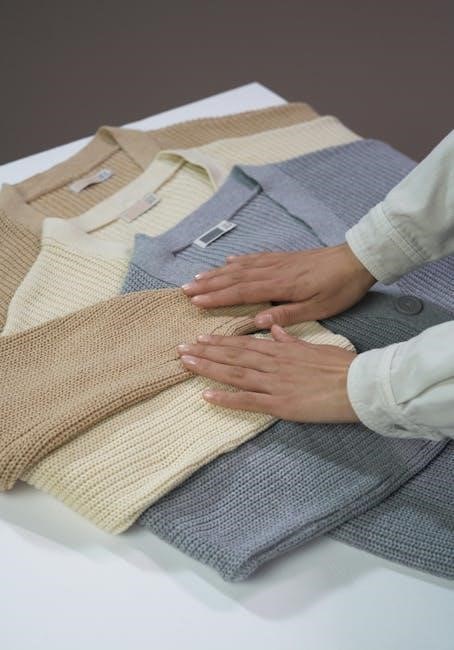
Consistent, mindful storage practices significantly contribute to preserving the shape of your 100% cotton garments, even after diligent washing. Avoid hanging heavier items like sweatshirts and jeans, as gravity can stretch the fibers over time, leading to distortion. Instead, opt for folding and neatly stacking them in a drawer or on a shelf.
For items you prefer to hang, use padded hangers to distribute weight evenly and prevent shoulder bumps. Ensure there’s enough space between garments in your closet to allow for air circulation, preventing moisture buildup that could contribute to mildew or fiber weakening.
When storing seasonally, clean cotton items thoroughly before packing them away. Consider using breathable cotton storage bags instead of plastic, which can trap moisture. Proper storage complements careful washing, ensuring your cotton clothes remain in excellent condition for years to come.
Understanding Fabric Treatments for Shrinkage Control
Manufacturers employ various fabric treatments to mitigate shrinkage in 100% cotton textiles, enhancing garment stability and longevity. These processes often involve chemically altering the cotton fibers to resist contraction during washing and drying. Resin finishes, for example, cross-link the cellulose molecules, effectively “locking” the fabric’s shape.
Mercerization, another common treatment, swells the cotton fibers, increasing their strength and luster while also improving dye uptake and reducing shrinkage. However, even with these treatments, proper washing remains crucial.
While treatments reduce shrinkage, they don’t eliminate it entirely. Following recommended care instructions – cool water washes and low-heat drying – will maximize the effectiveness of these treatments and preserve your cotton garments’ original fit and form over time.



Be the first to reply