
Shredder‚ a renowned chess program‚ is now available for iPad‚ offering gameplay‚ analysis‚ and problem-solving capabilities. Enjoy matches against various skill levels directly in your browser!
What is a Shredder?
Shredder represents a highly successful and critically acclaimed chess program‚ now accessible on platforms like the Apple iPad. It’s designed as a comprehensive tool for chess enthusiasts of all levels‚ providing opportunities for engaging gameplay against diverse strength levels. Beyond simply playing‚ Shredder facilitates in-depth analysis of games and offers a platform for tackling challenging chess problems.
Users can conveniently play against Shredder’s various fun levels directly within a web browser‚ utilizing a simple click-and-drag interface to input moves. This accessibility makes it a versatile resource for both casual players and serious competitors seeking to refine their skills.
Types of Shredders
While the core Shredder program excels as a chess engine‚ its availability extends across different formats. Originally a standalone application‚ Shredder is now readily accessible as an iPad application‚ broadening its reach to mobile users. Furthermore‚ a free‚ albeit slightly restricted‚ test version of Shredder Classic is available for a 30-day trial‚ allowing users to experience its capabilities firsthand.
The program’s adaptability is highlighted by its browser-based interface‚ enabling immediate gameplay against various AI levels without requiring downloads or installations. This diverse range caters to varied user preferences and accessibility needs.
Safety Precautions
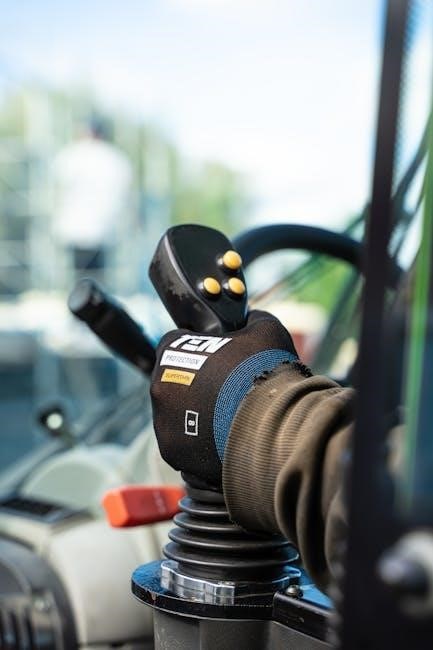
Important: This machine can cause serious injury or death if not operated and maintained correctly. Always heed safety warnings provided in the manual!
General Safety Rules
Prior to operation‚ thoroughly read and understand this manual. Keep it accessible for future reference. Always disconnect the power supply before performing any maintenance or cleaning procedures. Never operate the shredder with damaged parts‚ and ensure all guards are securely in place.
Maintain a safe working environment‚ free from distractions and obstructions. Never allow unauthorized personnel to operate the machine. Wear appropriate personal protective equipment‚ including safety glasses and gloves. Be mindful of the shredder’s moving parts and avoid loose clothing or jewelry that could become entangled.
Electrical Safety
Ensure the shredder is properly grounded to prevent electric shock. Never operate the machine with a damaged power cord or plug. Avoid using extension cords whenever possible; if necessary‚ use a heavy-duty cord rated for the shredder’s amperage.
Do not expose the electrical components to water or moisture. Always disconnect the power before inspecting or repairing electrical parts. If the shredder experiences an electrical malfunction‚ immediately cease operation and consult a qualified technician. Regularly inspect the power cord for wear and tear.
Avoiding Injury
Keep hands and body away from the feed opening during operation. Never attempt to clear jams manually while the shredder is plugged in; always disconnect the power first. Wear appropriate safety glasses to protect your eyes from flying debris.
Do not overload the shredder with excessive amounts of material. Be mindful of the types of materials being shredded‚ avoiding items that could damage the blades or cause injury. Supervise children and pets closely when the shredder is in use‚ ensuring they maintain a safe distance.
Shredder Components
Shredder’s core includes cutting blades‚ a motor and drive system‚ and a feed opening leading to a collection bin for shredded material.
Cutting Blades
The cutting blades are the heart of the shredder‚ responsible for reducing documents into secure pieces. Shredder programs‚ like the chess software‚ demonstrate precision; similarly‚ blade quality dictates shredding effectiveness. These blades come in various configurations – strip-cut‚ cross-cut‚ and micro-cut – each offering different security levels. Maintaining blade sharpness is crucial for optimal performance‚ preventing jams and ensuring a clean cut. Regular inspection for wear and tear is essential‚ and timely replacement guarantees continued security and efficiency. Proper blade care extends the shredder’s lifespan.
Motor and Drive System
The motor and drive system power the shredder’s blades‚ converting electrical energy into mechanical force. Like the powerful engine behind the Shredder chess program‚ a robust motor ensures consistent performance. The drive system‚ typically utilizing gears or direct drive‚ transmits this power to the blades. Overloading the motor can cause overheating and potential damage‚ so adhering to duty cycle limits is vital. Regular maintenance‚ including checking belts and lubrication‚ ensures smooth operation and prolongs the system’s lifespan. A well-maintained system guarantees efficient shredding.
Feed Opening & Bin
The feed opening accepts materials for shredding‚ with size limitations specified in the manual. Similar to inputting moves in Shredder chess‚ proper feeding is crucial. Avoid overfeeding‚ which can jam the machine. The bin collects the shredded material; its capacity varies by model. Regularly emptying the bin prevents overflow and maintains shredding efficiency. Ensure the bin is securely attached before operation. Always disconnect power before accessing the bin. Proper bin management is essential for safe and effective shredder use.

Operating Instructions
To begin‚ prepare the shredder and feed materials carefully‚ similar to initiating a game against Shredder. Follow the manual for optimal performance and safety.
Preparing the Shredder
Before operation‚ ensure the shredder is placed on a stable‚ level surface. Connect the power cord to a grounded outlet‚ verifying voltage compatibility. Inspect the feed opening and bin for any obstructions‚ removing them promptly.
Crucially‚ familiarize yourself with the controls‚ including the power switch‚ reverse function (if equipped)‚ and automatic feed settings. As with Shredder chess software‚ understanding the interface is key.
Finally‚ confirm the bin is correctly positioned and empty‚ ready to receive shredded material. A properly prepared shredder ensures efficient and safe operation‚ mirroring the strategic setup in a chess game.
Feeding Materials
When feeding materials‚ always adhere to the shredder’s capacity limits. Avoid overloading‚ which can cause jams or motor strain – similar to overwhelming a chess engine with too many calculations. Feed paper straight into the opening‚ avoiding angled insertions.
Remove any staples‚ paper clips‚ or other non-paper materials beforehand. Shredding these can damage the blades and compromise performance.
Like entering moves in Shredder chess‚ precision matters. Consistent‚ controlled feeding ensures optimal shredding and prolongs the life of your machine.
Shredding Different Materials
While primarily designed for paper‚ some shredders handle credit cards or CDs. Always consult your manual for approved materials – akin to Shredder chess adapting to different game openings.
Avoid shredding plastics beyond those specifically listed‚ as they can dull blades. Thick materials‚ like bound reports‚ should be fed in smaller batches to prevent jams.
Treat each material type with care‚ mirroring the strategic approach needed in a complex chess endgame. Proper material selection ensures efficient operation and longevity.

Maintenance and Care
Regular cleaning and lubrication‚ much like maintaining a powerful chess engine like Shredder‚ are crucial for optimal performance and extending the shredder’s lifespan.
Cleaning the Shredder
Consistent cleaning is paramount for maintaining peak shredder performance‚ mirroring the dedication required for a chess program like Shredder. Always disconnect the power before any cleaning procedure. Regularly empty the bin to prevent buildup and potential jams. Use a soft brush or vacuum to remove paper dust and debris from the cutting blades and feed opening.
Avoid using water or solvents‚ as these can damage internal components. For stubborn residue‚ a slightly damp cloth can be used‚ ensuring it’s thoroughly dried afterward. Inspect the shredder for any accumulated paper scraps that might hinder operation‚ ensuring smooth and efficient shredding‚ just like a well-maintained engine.
Oiling and Lubrication
Proper lubrication is crucial for a shredder’s longevity‚ akin to the refined gameplay of Shredder chess. Periodically oiling the cutting blades ensures smooth operation and reduces wear. Use only shredder-specific lubricant; avoid general-purpose oils‚ which can attract dust and cause buildup. Apply a light coat to the blades after each cleaning session.
Refer to your shredder’s manual for specific lubrication points and frequency. Over-lubrication can be as detrimental as under-lubrication‚ leading to messy residue. Consistent lubrication maintains optimal performance‚ preventing jams and extending the life of your shredding machine.
Blade Sharpening/Replacement
Maintaining blade sharpness is vital for efficient shredding‚ much like a strong chess engine like Shredder needs precise calculations. Dull blades strain the motor and increase the risk of jams. Sharpening should only be performed by qualified technicians‚ as it involves handling extremely sharp edges.
If blades are severely damaged or worn‚ replacement is necessary. Always disconnect the power before attempting any blade work. Use only manufacturer-approved replacement blades to ensure compatibility and safety. Improper blade installation can lead to malfunction and potential injury.

Troubleshooting
Addressing issues like a non-starting shredder‚ paper jams‚ or overheating is crucial for continued operation‚ similar to resolving problems within a Shredder chess game.
Shredder Won’t Turn On
If your shredder fails to power on‚ begin with the simplest checks. Ensure the power cord is securely connected to both the shredder and a functioning electrical outlet. Verify the outlet is receiving power by testing it with another device.
Next‚ examine the shredder’s circuit breaker or fuse – often located on the back or bottom of the unit – and reset or replace it if necessary. Some models feature an overload protection switch; locate and reset this if applicable.
Finally‚ consult the manual for specific troubleshooting steps related to your model‚ as Shredder‚ like any complex machine‚ may have unique power-related issues.
Paper Jams
Paper jams are a common issue. First‚ immediately switch off and unplug the shredder before attempting to clear any jam – safety is paramount! Gently remove any visible paper from the feed opening and the bin.
If paper remains lodged‚ utilize the reverse function (if equipped) to help dislodge it. Avoid using sharp objects to clear jams‚ as this can damage the blades.
Consult your shredder’s manual for specific jam-clearing instructions‚ as procedures vary between models. Prevent future jams by avoiding overfeeding and shredding materials beyond the shredder’s capacity.
Overheating Issues
Overheating often indicates the shredder is working too hard. Immediately power off the unit and allow it to cool down for at least 30-60 minutes – never attempt to operate an overheated shredder.
Reduce the amount of paper being shredded in each session and avoid continuous use for extended periods. Ensure the shredder is adequately ventilated and not enclosed in a tight space.
Check for paper jams‚ as these can cause the motor to strain and overheat. If overheating persists‚ consult a qualified technician or refer to the warranty information.

Advanced Features
Shredder programs offer automatic feed‚ reverse functions‚ and bin-full indicators for enhanced convenience and efficiency during operation and analysis.
Automatic Feed
Automatic feed functionality‚ present in some Shredder models‚ streamlines the shredding process significantly. Instead of manually inserting documents‚ the automatic feeder handles stacks of paper‚ increasing productivity. This feature is particularly useful for larger shredding tasks‚ reducing user effort and time. Ensure the feeder is loaded correctly‚ avoiding overfilling to prevent jams. Regularly check the feeder mechanism for any obstructions or misaligned components to maintain optimal performance. This advanced capability enhances the overall user experience‚ making shredding more efficient and convenient.
Reverse Function
The reverse function is a crucial safety and operational feature found in many Shredder models. When activated‚ it causes the blades to spin in the opposite direction‚ helping to dislodge jammed paper or materials. Never attempt to manually remove a jam – always use the reverse function first! This prevents potential injury from the sharp blades. After reversing‚ attempt to shred again. If the jam persists‚ consult the troubleshooting section of this manual. Utilizing the reverse function correctly ensures safe and efficient shredder operation.
Bin Full Indicator
The bin full indicator is a convenient feature designed to alert you when the shredder’s waste bin is nearing capacity. This prevents overfilling‚ which can cause jams and potentially damage the machine. Typically‚ this indicator is a light or audible alarm. When activated‚ immediately stop shredding and empty the bin. Ignoring this indicator can lead to operational issues and reduced shredder performance. Regularly emptying the bin ensures optimal functionality and extends the lifespan of your Shredder.

Specific Shredder Types ー Cross-Cut
Cross-cut shredders create diamond-shaped pieces‚ offering enhanced security compared to strip-cut models‚ and are ideal for sensitive document disposal.
Understanding Cross-Cut Shredding
Cross-cut shredders distinguish themselves by slicing paper into tiny‚ diamond-shaped particles‚ significantly boosting security. Unlike strip-cutters‚ which produce easily reassembled strips‚ cross-cut fragments are far more difficult to reconstruct. This makes them the preferred choice for confidential documents like financial records‚ medical information‚ and personally identifiable data.
The intricate cutting pattern effectively minimizes the risk of data breaches. These shredders are commonly used in environments where data protection is paramount‚ offering a higher level of assurance against unauthorized access to sensitive information. Regular maintenance is crucial for optimal performance.
Maintenance for Cross-Cut Shredders
Regular maintenance is vital for cross-cut shredders. Frequent use can dull blades‚ reducing efficiency and potentially causing jams. Periodically oiling the cutting blades‚ as per the manufacturer’s instructions‚ ensures smooth operation. Always unplug the shredder before any maintenance.
Empty the bin frequently to prevent overfilling‚ which strains the motor. Inspect the blades for wear and tear‚ and replace them when necessary. Using shredder lubricant sheets also helps keep the blades clean and sharp‚ extending their lifespan and maintaining optimal performance.

Specific Shredder Types ౼ Strip-Cut
Strip-cut shredders produce long‚ narrow strips‚ offering basic security. These are generally more affordable and suitable for less sensitive document disposal needs.
Understanding Strip-Cut Shredding
Strip-cut shredders operate by slicing paper into long‚ vertical strips. This method is the most basic form of shredding‚ making it relatively quick and efficient for processing large volumes of paper. However‚ it offers a lower level of security compared to cross-cut shredding.
Because the strips remain relatively long and intact‚ it’s theoretically possible to reconstruct the original document‚ especially if the shredded pieces aren’t thoroughly mixed or disposed of securely. Therefore‚ strip-cut shredders are best suited for documents containing non-sensitive information‚ like junk mail or internal drafts.
Maintenance for Strip-Cut Shredders
Regular maintenance is crucial for optimal performance. Frequently clean the cutting blades with shredder oil to remove paper dust and debris‚ ensuring smooth operation and preventing jams. Periodically empty the bin to avoid overfilling‚ which can strain the motor.
Inspect the blades for dullness; while sharpening isn’t typically done with strip-cut models‚ replacement may be necessary over time. Always disconnect the power before any maintenance. Proper care extends the shredder’s lifespan and maintains its efficiency.
Disposal and Recycling
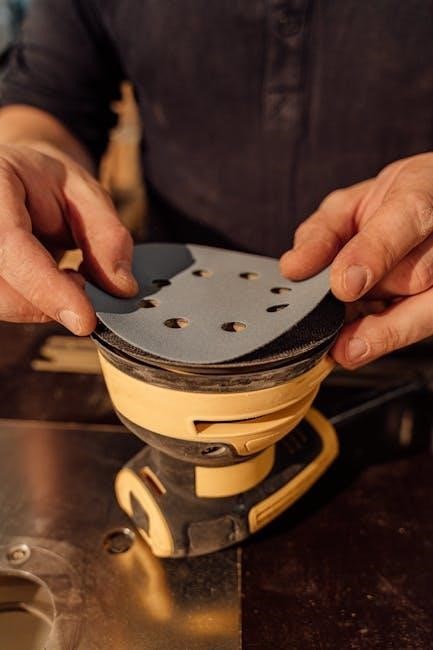
Properly dispose of shredded material‚ considering local regulations. Explore recycling options for the paper waste‚ contributing to environmental sustainability and responsible practices.
Proper Disposal of Shredded Material
Responsible disposal of shredded paper is crucial for security and environmental reasons. Avoid simply discarding it in regular trash‚ as this compromises confidentiality. Consider the sensitivity of the documents shredded; highly confidential materials may require specialized destruction services. Explore local recycling programs that accept shredded paper – confirm their specific requirements beforehand‚ as some may have size or contamination restrictions.
Composting is another option for smaller quantities of plain paper shreds‚ enriching garden soil. Always check local guidelines regarding compostable materials. Securely bag shredded material before disposal to prevent windblown scattering and maintain privacy;
Recycling Options
Many communities offer recycling programs that readily accept shredded paper‚ diverting it from landfills. However‚ it’s vital to verify your local municipality’s specific guidelines. Some programs request that shredded paper be bagged separately‚ while others may require it to be contained within clear plastic bags for easier sorting at recycling facilities.
Contamination with non-paper materials like plastic or staples can hinder the recycling process‚ so ensure shredded material is relatively clean. Check with local waste management for drop-off locations or curbside pickup options.
Warranty Information
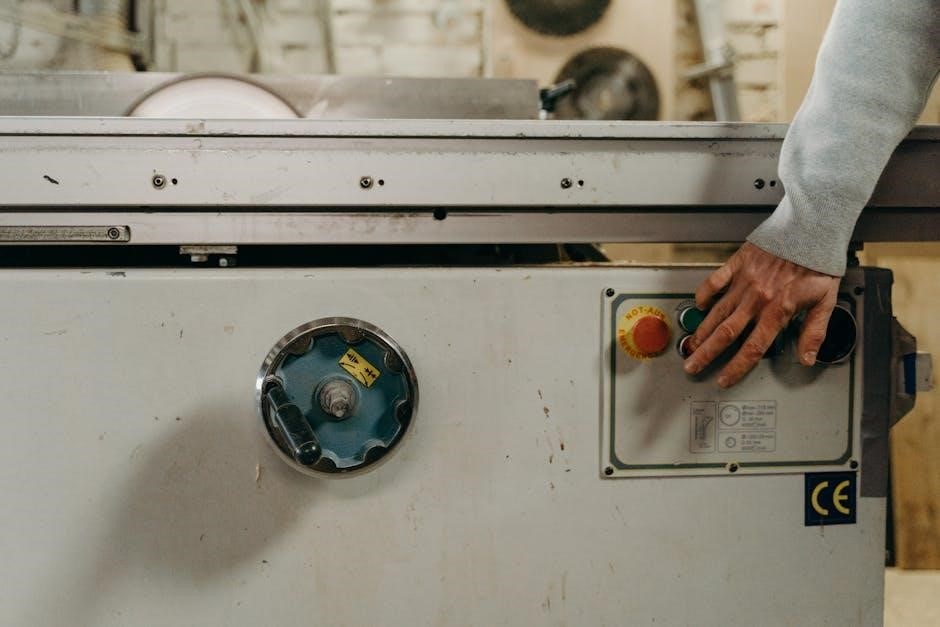
Shredder programs‚ like Shredder Classic‚ often include a warranty; a free‚ limited 30-day test version is available for evaluation before purchase.
Understanding Your Warranty
Shredder chess programs by Stefan Meyer-Kahlen are globally recognized for their strength and analytical capabilities. Your warranty‚ specific to the Shredder product purchased (Classic‚ etc.)‚ details the coverage period and conditions. Typically‚ a limited warranty protects against defects in materials and workmanship.
Before using Shredder‚ consider downloading the free‚ 30-day test version to ensure compatibility and satisfaction. The full warranty document outlines what is covered‚ excluded‚ and the process for making a claim. Retain your proof of purchase‚ as it’s essential for warranty validation.
Making a Warranty Claim
To initiate a warranty claim for your Shredder chess program‚ first‚ carefully review the warranty document for specific instructions. You’ll generally need to provide proof of purchase‚ a detailed description of the issue‚ and potentially diagnostic information. Contact Stefan Meyer-Kahlen’s support team directly‚ referencing your product version (Classic‚ etc.).
Ensure you’ve thoroughly tested the program and consulted available resources before submitting a claim. A valid claim requires the defect to be covered under the warranty terms and conditions. Prompt communication and accurate information expedite the process.



Be the first to reply