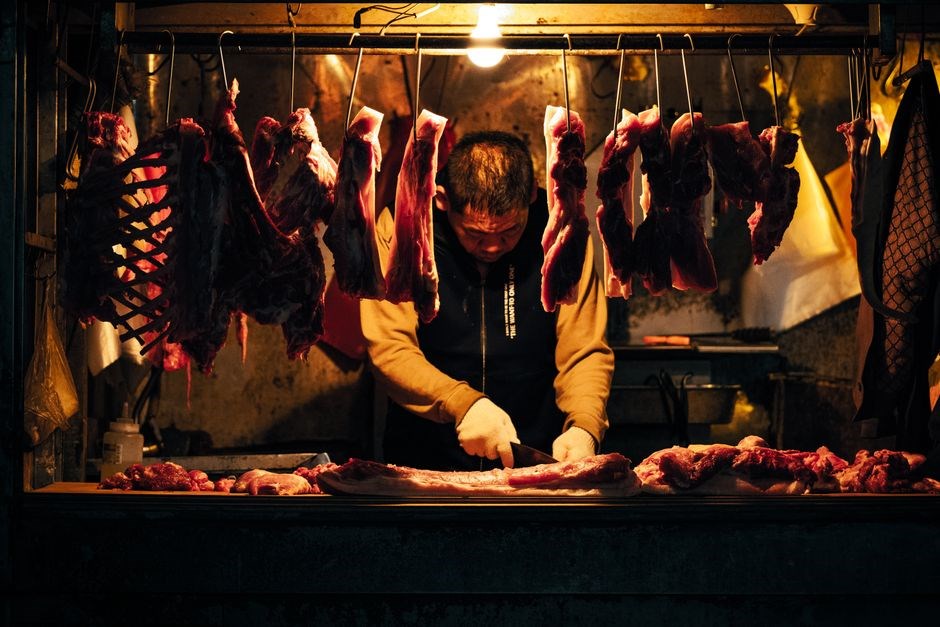
What Is the Carnivore Diet?
The carnivore diet focuses on animal products only, excluding carbs. A printable PDF guide lists approved foods—red meats, poultry, seafood, organ meats, dairy, and fats—helping users plan meals, track nutrition, and avoid processed items. It simplifies shopping and supports gut health. for novices.!
Overview and Definition
The carnivore diet is an all‑animal eating plan that eliminates plant‑based foods and carbohydrates, focusing solely on meats, fish, eggs, and animal fats. A key resource for followers is a printable PDF food list that categorizes acceptable items, outlines portion guidance, and highlights essential nutrients. This guide simplifies meal planning by providing a clear, searchable table of red meats, poultry, seafood, organ meats, dairy, and fats, along with notes on preparation methods and storage tips. Users can download the PDF in various formats—A4, A5, and US Letter—ensuring compatibility with printers worldwide. By consolidating the diet’s core components into one document, the list supports consistency, helps track macro intake, and reduces decision fatigue during grocery shopping.
The downloadable PDF serves as a reference manual, outlining daily macros, recommended portion sizes, and cooking techniques that preserve nutrient density. It includes a quick‑look chart for each food category, allowing users to track protein, fat, and micronutrient intake without spreadsheets. The guide also offers troubleshooting tips for common issues such as nutrient deficiencies, digestive discomfort, and meal variety fatigue. By consolidating all essential information into a single, portable file, the PDF empowers individuals to maintain consistency, monitor progress, and adapt the diet to personal goals or medical advice. This resource is ideal for beginners and seasoned practitioners alike!!
Benefits of a Carnivore Diet
A printable PDF food list clarifies which animal products support weight loss, gut health, and inflammation reduction. By listing approved meats, organ meats, dairy, and fats, it streamlines meal planning, ensures balanced macros, and helps users track progress efficiently. Includes macro trackers daily.
Weight Loss, Gut Health, and Inflammation Reduction
Adopting a zero‑carb, animal‑centric regimen can accelerate fat loss by eliminating insulin spikes and forcing the body to mobilize stored reserves. The high protein load preserves lean mass while the absence of plant fibers reduces gut motility demands, allowing the microbiome to shift toward a more anti‑inflammatory profile. A printable menu list simplifies portion control, ensuring consistent caloric deficits and nutrient density. Regular consumption of organ meats supplies iron, vitamin A, and omega‑3s, which dampen systemic inflammation and support joint function. Dairy fats and animal cholesterol provide satiety signals that curb snacking, further aiding weight goals. Tracking intake via a PDF planner helps users stay accountable, monitor progress, and adjust portions to maintain steady weight loss without compromising gut integrity.
The PDF planner also tracks micronutrient intake, ensuring adequate levels of zinc, selenium, and B12, which are critical for metabolic function and immune resilience. Users can log daily portions, compare weekly trends, and adjust meal timing to align with circadian rhythms, potentially enhancing sleep quality and hormonal balance. By focusing exclusively on animal foods, the diet eliminates common allergens such as gluten, soy, and dairy lactose. The simplicity of the list also cuts decision fatigue, allowing individuals to commit to consistent eating patterns that support long‑term adherence and measurable health outcomes. It helps!!!
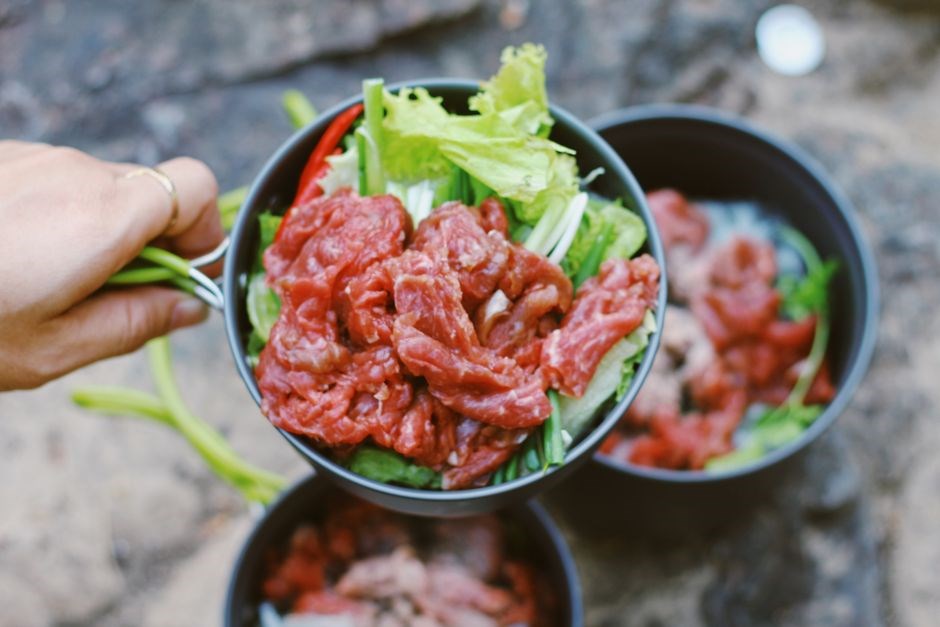
Common Carnivore Food Items
Explore the printable PDF guide that catalogs essential animal foods: beef, lamb, pork, chicken, turkey, duck, fish, shellfish, organ meats, eggs, dairy fats, and bone broth. Each item is categorized for easy shopping and meal planning, ensuring balanced nutrition on a carnivore diet and stay healthy.
Printable Food List PDF Overview
The printable Carnivore Diet Food List PDF offers a comprehensive, zero‑carb guide that categorizes every animal‑based food you’ll need. It includes three ready‑to‑print files—A5, A4, and US Letter—so you can choose the size that fits your kitchen or travel routine. Inside, you’ll find a clear chart of red meats, poultry, seafood, organ meats, dairy, and fats, each labeled with recommended portions, best‑practice cooking tips, and notes on which items to emphasize, consume in moderation, or avoid entirely. The PDF also bundles a bonus meal planner and eight core success tips, helping you stay on track, manage portions, and keep your gut healthy while cutting carbs. Whether you’re a beginner or a seasoned carnivore, the guide’s simple layout makes grocery shopping, meal prep, and nutrition tracking effortless.
Download the PDF instantly after purchase, and print it on any standard printer. The guide’s design is user‑friendly, with clear headings, bullet points, and color‑coded sections for quick reference. It also includes a section on how to store and handle raw meats safely, tips for marinating, and suggestions for pairing with minimal dairy or fermented foods if desired. The PDF’s layout supports both home cooks and travelers, offering a compact version for on‑the‑go meals and a full‑size version for detailed meal planning. By following the chart, you’ll maintain a strict zero‑carb diet while ensuring you receive essential nutrients, healthy fats, and protein from a variety of animal sources.
Enjoy!
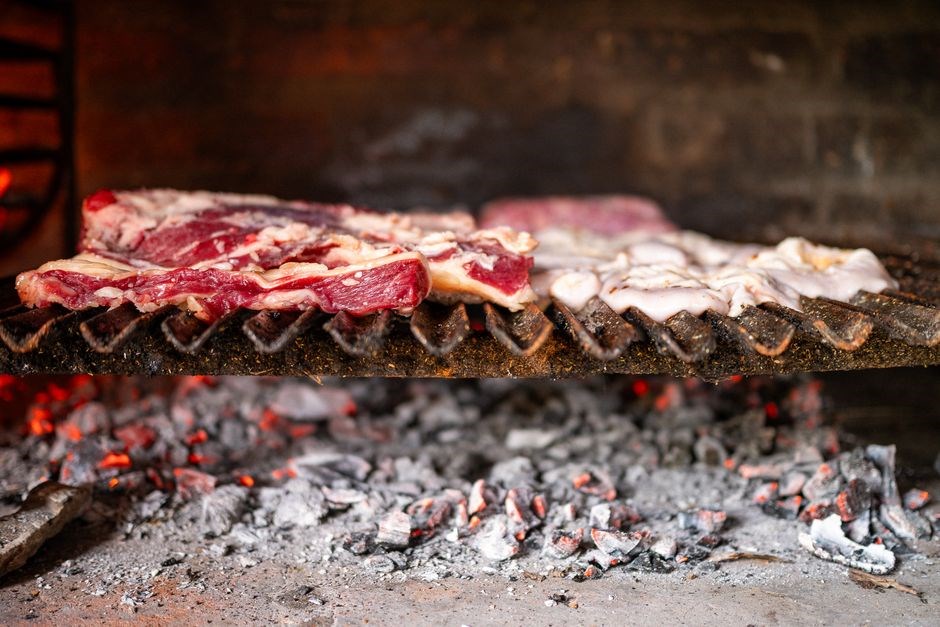
Red Meat Choices
The PDF lists prime red meats: beef, lamb, pork, and organ options. It highlights cuts like ribeye, brisket, and pork belly, noting portion sizes and cooking tips. The guide ensures you stay within zero‑carb limits while maximizing protein and healthy fats. All entries are color‑coded for quick reference.✔✔!
Beef, Lamb, and Pork Varieties
Our printable PDF catalog showcases a curated selection of beef, lamb, and pork cuts ideal for a strict carnivore regimen. For beef, the guide lists ribeye, sirloin, ground chuck, brisket, short ribs, and organ meats such as liver and heart, each annotated with optimal cooking times and fat content. Lamb offerings include lamb chops, leg of lamb, shoulder, and lamb liver, with notes on marbling and recommended seasoning—minimal salt only. Pork options feature pork belly, shoulder, ribs, ham, and pork liver, plus cured varieties like bacon and sausage, each labeled with protein percentages and fat ratios. The PDF’s color‑coded system flags high‑fat cuts in red, medium in orange, and lean in green, enabling quick meal planning. Additionally, the document provides portion guidelines: 4–6 ounces per serving for lean cuts, 8–10 ounces for fattier cuts, and a 1:1 ratio of organ to muscle meat for micronutrient balance. Users can print the list in A4 or US Letter, and the planner sheet includes a weekly tracker to log daily intake and ensure compliance with zero‑carb targets. This resource simplifies grocery shopping, meal prep, and nutritional monitoring, making the transition to a carnivore diet smoother and more organized. The PDF also offers a printable meal planner, a grocery list template, and essential tips for tracking macros, ensuring you stay on track while enjoying a variety of animal foods. Readers can download a PDF of the meal planner, which includes macros and list for convenience! Enjoy a balanced, zero-carb life!
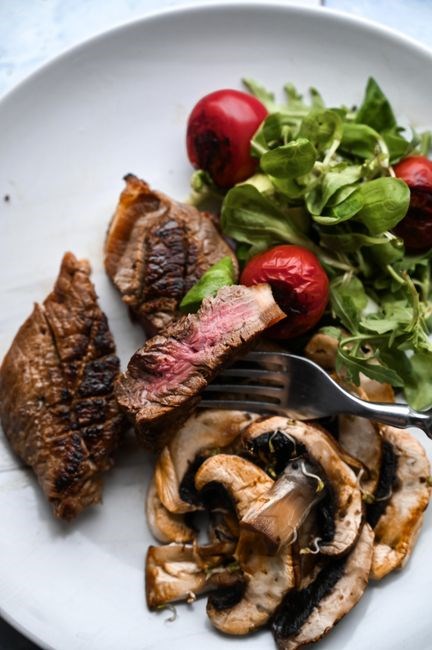
Poultry Options
The printable PDF lists chicken, turkey, duck, and quail cuts: breasts, thighs, wings, and whole birds. Each entry shows fat content, recommended portion sizes. The guide color‑coded system highlights lean versus options, aiding meal planning and tracking for a zero‑carb diet.
Chicken, Turkey, and Duck Selections
The carnivore diet food list PDF offers a comprehensive poultry catalog, split by cut, fat level, and cooking use. Chicken entries include breast, thigh, drumstick, wing, and whole bird, with breast noted as lean and thighs/drumsticks higher in fat for satiety. Bone‑in cuts add collagen. Turkey is broken into breast, leg, thigh, and ground, the latter ideal for patties or meatballs. Duck is presented as breast, thigh, and whole, emphasizing skin‑on portions for maximum flavor and fat. Organic poultry reduces additives. Cutslabeled
Each item lists a suggested serving size in grams, calorie count, and quick prep notes—grill, roast, or slow‑cook. A color‑coded system marks lean cuts green, moderate yellow, and high‑fat red, enabling instant visual reference. The printable layout is PDF‑ready for A4 or letter size, includes a side‑by‑side “quick‑look” table, making grocery shopping and meal planning effortless. Users can print multiple copies or keep a digital version for mobile use.
Quality sourcing tips advise free‑range or pasture‑raised poultry for higher omega‑3s, while organic labels signal minimal antibiotic use. Rotating cuts maintains nutrient variety, ensuring adequate protein, B vitamins, iron, and zinc. Users can track daily intake using the built‑in checklist, and following this structured list lets carnivore dieters confidently incorporate poultry into a zero‑carb regimen while meeting macro and micronutrient goals. This organized approach also simplifies meal prep, reducing kitchen time. Users can customize the list by adding favorite cuts or excluding processed options.
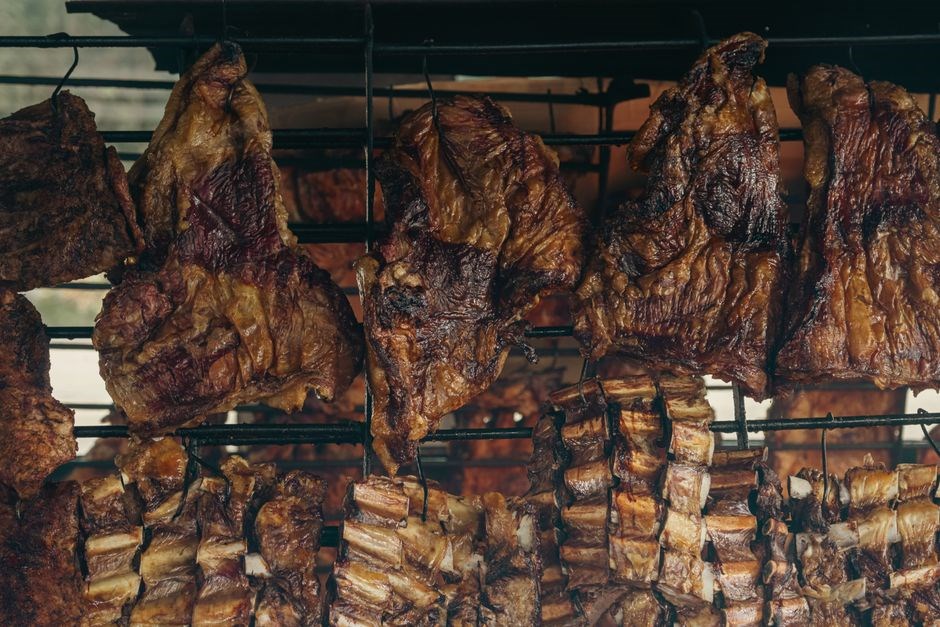
Seafood Selections
The PDF guide lists salmon, tuna, shrimp, and shellfish, with serving sizes, calories, and prep tips. It highlights wild‑caught options, omega‑3 benefits, and quick grill or poach instructions for a zero‑carb diet. Ideal for carnivores seeking variety and omega‑3 support now.
Salmon, Tuna, Shrimp, and Shellfish
In the downloadable carnivore diet food list PDF, salmon appears as a top‑ranked choice for its high omega‑3 content and lean protein profile. The guide recommends wild‑caught varieties, noting that farmed options may contain added fats. Tuna, especially albacore and skipjack, is highlighted for its versatility; the PDF lists portion sizes, calorie counts, and quick sauté instructions. Shrimp is included for its low caloric density and rich mineral content, with tips on boiling or grilling to preserve texture. Shellfish such as crab, lobster, and scallops receive a brief overview, emphasizing their protein density and vitamin B12 contribution. The PDF emphasizes sourcing responsibly, avoiding heavily processed seafood, and pairing these items with animal fats for optimal satiety. Each entry includes a concise nutritional snapshot, serving suggestions, and storage guidelines, enabling users to seamlessly integrate these options into a strict carnivore regimen. The PDF also offers practical tips for meal prep, such as marinating fish with salt and herbs, quick pan‑searing techniques, and storage hacks like vacuum sealing to maintain freshness, as well as a weekly rotation chart to keep variety high while staying within carnivore parameters. Moreover, the PDF includes a nutrient breakdown for each seafood type, highlighting protein grams, fat percentages, and essential minerals like iodine and selenium, helping users track macro goals without the need for app or spreadsheets, thereby simplifying adherence to carnivore philosophy.

Organ Meats and Supplements
The PDF lists liver, kidney, heart, and sweetbreads as nutrient powerhouses, offering iron, B12, and zinc. It recommends daily portions, cooking tips, and pairing with animal fats. Supplements like cod liver oil are included for omega‑3 support. Daily intake balances micronutrients.
Liver, Kidney, and Bone Broth
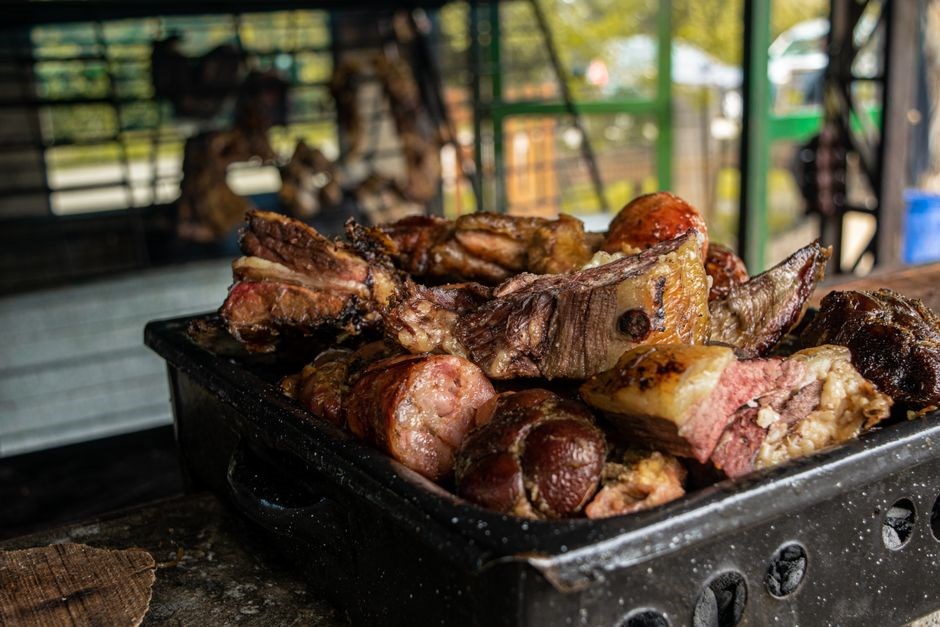
In the printable PDF, liver and kidney are highlighted as dense sources of iron, B12, and zinc, with recommended daily servings of 3–4 ounces. Bone broth is listed as a nutrient‑rich liquid, providing collagen, glucosamine, and calcium. The guide suggests simmering bones for 12–24 hours, adding salt and a splash of apple cider vinegar to enhance mineral extraction. It also notes that organ meats should be rotated weekly to avoid over‑exposure to certain compounds. The PDF includes a quick‑reference chart for portion sizes and a safety checklist for sourcing grass‑fed, pasture‑raised animals. For those seeking a more fortified option, cod liver oil is offered as an additional supplement, delivering omega‑3 fatty acids and vitamin D. The document emphasizes the importance of variety within the carnivore framework to maintain balanced micronutrient intake while keeping the diet simple and traceable;
Nutritionists note that organ meats like liver and kidneys supply essential micronutrients hard to get from plants. The PDF suggests rotating liver twice a week, kidney once, and using bone broth daily. Sourcing grass‑fed, pasture‑raised animals boosts vitamin A and omega‑3. Bone broth can serve as a soup base, providing electrolytes such as potassium and magnesium. The chart lists portion sizes in ounces and a quick reference for daily macro‑micronutrient goals.
Readers can download the PDF from Etsy shop, where printable files (A5, A4, US Letter) are provided upon purchase.
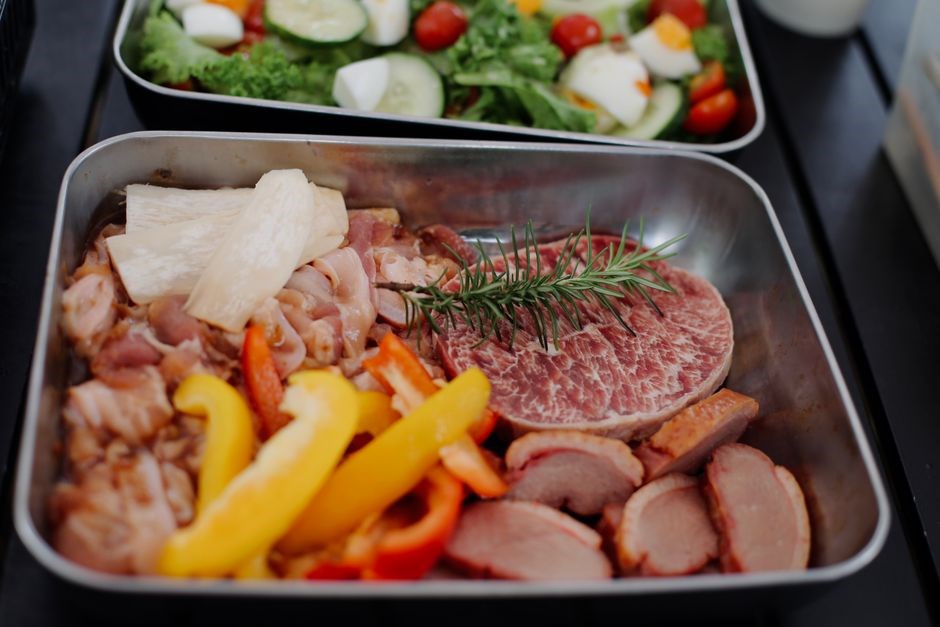
Dairy and Fats
In the printable PDF, butter, cheese, and animal fats like tallow are listed as primary energy sources. The guide recommends full‑fat dairy for those tolerating lactose. Portions are suggested in ounces, with a daily limit of 2–3 servings to maintain ketosis. Supports heart health
Butter, Cheese, and Animal Fats
According to the carnivore diet food list PDF, butter, cheese, and other animal fats are essential for providing saturated fats and micronutrients. The guide lists full‑fat butter as a versatile cooking medium, noting that it can be used for sautéing, baking, or simply melted over meats. It highlights that butter contains conjugated linoleic acid (CLA) and vitamin K2, which may support bone health and cardiovascular function. The PDF also includes a variety of cheeses, such as cheddar, gouda, and parmesan, recommending them in moderation for those who tolerate dairy. It advises selecting aged cheeses to reduce lactose content, and suggests serving 1–2 ounces per meal. Additionally, the guide features animal fats like tallow, lard, and duck fat, emphasizing their high smoke points and flavor profiles. Tallow, rendered from beef or pork fat, is ideal for frying, while duck fat is prized for roasting potatoes. The PDF provides portion sizes and storage tips, encouraging refrigeration for up to a week and freezing for longer shelf life. Overall, the section stresses that these fats supply energy, aid in nutrient absorption, and help maintain satiety on a zero‑carb diet. For those seeking variety, the PDF also suggests rotating between different animal fats—such as beef tallow, pork lard, duck fat, and rendered butter to keep meals interesting, while noting that fat’s acid profile can influence satiety, cholesterol levels, metabolic flexibility, making it easier adhere to a strict zero‑carb regimen without feeling deprived.



Be the first to reply