
The Catholic Profession of Faith: A Comprehensive Overview (Updated 02/09/2026)
This document meticulously details the solemn Profession of Catholic Faith, historically affirmed by both the Pope and the Council of Trent, encapsulating core tenets.
Historical Context of the Profession of Faith
The Profession of Faith didn’t emerge in isolation; its roots are deeply embedded within the historical currents of the Church, particularly responding to theological challenges. Early formulations, predating the formalized documents, addressed nascent heresies threatening the unity of belief. The need for a clear, concise statement of core doctrines became paramount as differing interpretations arose.
The Council of Trent (1545-1563), convened amidst the Protestant Reformation, represents a pivotal moment. This council sought to reaffirm Catholic doctrine in the face of emerging Protestant beliefs. A formalized Profession of Faith, solemnly sworn to by clergy and required of those teaching theology, became a crucial tool for maintaining doctrinal consistency.
Prior to Trent, various professions existed, but the council standardized a specific formula. This wasn’t merely a defensive reaction; it was a proactive assertion of the Church’s understanding of revealed truth, drawing from Scripture and Tradition. The document, therefore, is a product of centuries of theological reflection and pastoral need.
The Council of Trent and its Role
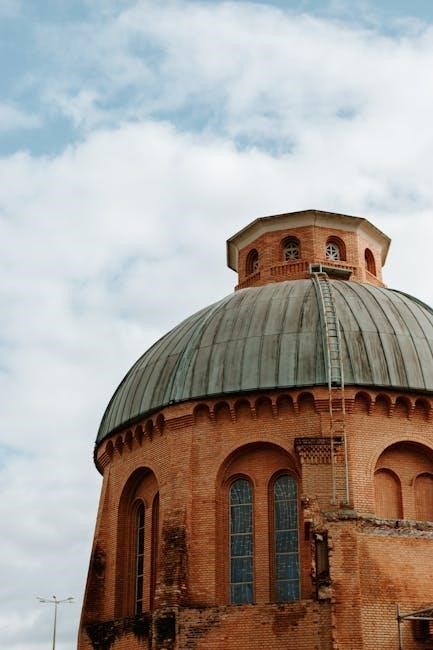
The Council of Trent (1545-1563) stands as a monumental landmark in the history of the Catholic Church, and crucially, in the development of the Profession of Faith. Convened in response to the Protestant Reformation, its primary aim was to definitively address the challenges posed to Catholic doctrine and practice.
Central to Trent’s response was the promulgation of a standardized Profession of Faith. This wasn’t simply a reiteration of existing beliefs, but a carefully crafted formula designed to unequivocally articulate core tenets. Clergy were required to take an oath professing adherence to this creed, ensuring doctrinal unity.
Canon 750, as it was ultimately formulated, mandated belief in everything contained within the “word of God,” as understood by the Church. This emphasized the importance of both Scripture and Tradition as sources of revelation. The Council’s actions solidified the Profession of Faith as a vital instrument for safeguarding and transmitting the Catholic faith.
The Papal Profession of Faith

The Papal Profession of Faith represents a solemn and public declaration by the Pope, affirming his personal adherence to the tenets of the Catholic faith. Historically, this practice gained significant prominence alongside the decrees of the Council of Trent, serving as a powerful demonstration of hierarchical unity.
Popes, through this profession, explicitly commit themselves to believing “everything in the symbol of faith,” essentially the core doctrines encapsulated within the Creed. This isn’t merely an administrative act; it’s a profound spiritual commitment, publicly witnessed and recorded.
The act underscores the Pope’s role as the supreme teacher and guardian of the faith. By personally professing belief, the Pope affirms the authenticity and integrity of Catholic doctrine. It serves as a model for all the faithful, encouraging a personal and unwavering commitment to the revealed truths, solidifying the Profession of Faith’s importance.
Key Components of the Profession of Faith
The Profession of Faith isn’t a static formula, but a structured articulation of core Catholic beliefs. Central to it is the acceptance of truths “contained in the word of God, as handed down by tradition,” encompassing both Scripture and the living teaching authority of the Church.
A foundational element is belief in one God, understood as the Holy Trinity – Father, Son, and Holy Spirit – a mystery revealed through divine revelation. Equally vital is the affirmation of the Church’s four marks: One, Holy, Catholic, and Apostolic, signifying its unity, sanctity, universality, and origin from the Apostles.
Furthermore, the profession includes belief in the sacraments, particularly Baptism for the forgiveness of sins, and a firm hope in the resurrection of the dead and the promise of life everlasting. These components, when professed, demonstrate a complete acceptance of the Catholic faith.
The Nicene-Constantinopolitan Creed
The Nicene-Constantinopolitan Creed stands as the primary, authoritative expression of the Catholic faith concerning the Trinity. Developed through the Ecumenical Councils of Nicaea (325 AD) and Constantinople (381 AD), it definitively clarifies core doctrines against prevailing heresies.
This Creed proclaims belief in “one God, the Father almighty, maker of heaven and earth,” and in “one Lord Jesus Christ, the Only Begotten Son of God,” who is “God from God, Light from Light, true God from true God.” It affirms the Holy Spirit as “the Lord, the giver of life, who proceeds from the Father,” and is worshipped and glorified.
Crucially, the Creed affirms Jesus Christ’s incarnation, passion, resurrection, and ascension. Professing this Creed is a public declaration of adherence to the foundational truths of the Christian faith, as understood and preserved within the Catholic tradition.
Belief in One God: The Trinity
Central to the Catholic Profession of Faith is the belief in one God existing in three distinct Persons: Father, Son, and Holy Spirit. This is the mystery of the Holy Trinity – one God, not three gods, but three co-equal and co-eternal Persons united in perfect love and communion.
This doctrine, revealed by God and developed through Sacred Scripture and Tradition, isn’t a mathematical equation but a profound truth about God’s very nature. The Father eternally begets the Son, and the Holy Spirit proceeds from the Father and (in the Western tradition) the Son.
Understanding the Trinity is vital; it shapes how Catholics understand God’s relationship with creation and humanity. It’s a belief professed with firm faith, acknowledging God’s infinite and loving self-communication.
The Church: One, Holy, Catholic, and Apostolic
The Catholic Profession of Faith affirms belief in the Church as “One, Holy, Catholic, and Apostolic.” This isn’t merely a description, but a profound statement about the Church’s identity and mission, rooted in Christ’s founding.

“One” signifies unity in faith, worship, and governance, stemming from the one Holy Spirit. “Holy” reflects the Church’s dedication to goodness and its sanctifying power, bestowed by God’s grace. “Catholic” – meaning universal – highlights the Church’s global reach and openness to all people.
“Apostolic” emphasizes the Church’s unbroken lineage tracing back to the Apostles through Apostolic Succession. This ensures the faithful reception and transmission of Christ’s teachings. The Church, therefore, is the visible sign of God’s kingdom on earth.
Understanding the “Catholic” Attribute
The term “Catholic,” as described within the Profession of Faith, signifies universality, extending beyond geographical or cultural boundaries. It doesn’t simply mean “worldwide,” but embodies completeness – possessing the fullness of Christ’s truth and grace.
Historically, early Christians adopted “Catholic” to distinguish themselves from sectarian groups. It affirmed their adherence to the whole faith, passed down from the Apostles. This universality manifests in the Church’s consistent teachings across time and place, and its welcoming embrace of all humanity.
The Church’s Catholic nature also implies its capacity to address all people, in all times, with the Gospel message. It’s a Church for everyone, everywhere, offering salvation and truth to all who seek it, reflecting a truly global and inclusive community.
The Church as the Body of Christ
The Profession of Faith affirms the Church isn’t merely an organization, but the very Body of Christ, with Christ as its head. This profound unity isn’t symbolic; it’s a real, spiritual connection forged through Baptism and sustained by the Eucharist.
Each member, through faith and the sacraments, participates in Christ’s life and mission. We are individually members of this Body, contributing our unique gifts for the common good and the building up of the Church. This interconnectedness demands mutual love and support.
Understanding the Church as the Body of Christ highlights the importance of unity and the rejection of division. It emphasizes our shared responsibility to live out the Gospel and witness to Christ’s love in the world, embodying His presence to all.
The Importance of Apostolic Succession
Central to the Profession of Faith is the belief in Apostolic Succession – an unbroken line of bishops tracing their authority back to the Apostles themselves. This isn’t simply a historical lineage, but a vital transmission of the Holy Spirit and the power to teach and sanctify.
Through Apostolic Succession, the Church maintains fidelity to the original teachings of Christ and the Apostles. Bishops, as successors to the Apostles, are entrusted with safeguarding the deposit of faith and authentically interpreting Scripture and Tradition.
This continuity ensures the Church remains the same Church established by Christ, despite changes in time and culture. It guarantees the valid celebration of the sacraments, particularly the Eucharist, and provides a firm foundation for unity and authority within the Catholic Church.
Sacraments and Their Significance
The Profession of Faith profoundly emphasizes the vital role of Sacraments as visible signs instituted by Christ to give grace. These sacred rituals aren’t merely symbolic; they are efficacious means through which God’s grace operates in the lives of believers.
Central among these is Baptism, understood as a cleansing forgiveness of sins and an entrance into the Christian life. The Eucharist, the source and summit of the Christian life, is the real presence of Christ – body, blood, soul, and divinity – offered for our salvation.
Other sacraments – Confirmation, Reconciliation, Anointing of the Sick, Holy Orders, and Matrimony – each confer specific graces, strengthening believers and guiding them towards holiness. They are integral to the Church’s life and essential components of the faith professed.
Baptism: Forgiveness of Sins
The Profession of Faith clearly articulates Baptism as the foundational sacrament for Christian life, signifying a radical cleansing and rebirth. It’s understood as a washing away of original sin – inherited from Adam – and any personal sins committed before receiving the sacrament. This isn’t merely a symbolic purification, but a true and effective forgiveness granted by God’s grace.
Baptism incorporates the believer into Christ and into the Church, making them a member of the Body of Christ. It imprints an indelible spiritual mark, signifying belonging to Christ forever.
The rite, typically involving water and the invocation of the Holy Trinity, is essential for salvation, as stated in scripture and affirmed by Church tradition. It’s a gateway to the other sacraments and a promise of eternal life.
The Eucharist: Source and Summit
The Profession of Faith profoundly emphasizes the Eucharist as the “source and summit” of the Christian life; This sacrament isn’t simply a commemoration of the Last Supper, but a true, real, and substantial presence of Jesus Christ – Body, Blood, Soul, and Divinity – under the appearances of bread and wine, a transformation known as transubstantiation.
Through the Eucharist, believers are united with Christ and with one another, participating in the sacrifice of Calvary made present anew. It nourishes faith, strengthens hope, and deepens love, offering grace and forgiveness.

Receiving the Eucharist worthily – in a state of grace – is vital for spiritual growth and eternal life. It’s a foretaste of the heavenly banquet and a pledge of future glory, central to Catholic belief.
Faith and Divine Revelation
The Profession of Faith firmly grounds itself in Divine Revelation, the unveiling of God’s truth to humanity, progressively revealed through history and culminating in Jesus Christ. This revelation isn’t merely intellectual assent, but a trusting surrender to God’s word, a gift from God that moves the heart to embrace truth.
Catholic faith isn’t blind acceptance; it’s a reasoned response to God’s self-disclosure, informed by both Scripture and Tradition. Canon 750 emphasizes believing what’s contained within the revealed word, understood through the Church’s teaching authority.
This divine and catholic faith requires both intellect and will, a personal encounter with the living God. It’s the foundation of Christian life, guiding believers towards salvation and eternal life, as professed in the creed.
Divine and Catholic Faith
Divine Faith, as articulated within the Profession of Faith, isn’t a product of human reasoning alone, but a supernatural gift from God, freely offered and received through grace. It transcends mere intellectual acceptance, demanding a wholehearted commitment to the truths revealed by God.
The qualifier “Catholic” signifies universality – this faith is intended for all people, across all times and places. It’s the faith held consistently by the entire Church, guided by the Holy Spirit, and preserved through Apostolic Succession.
Canon 750 underscores that beliefs must be rooted in the revealed word, embodying both the divine origin and the universal scope of this faith. It’s a faith professed publicly, uniting believers in a shared confession of the Gospel message, leading to forgiveness and hope.
The Role of Scripture and Tradition
The Catholic Profession of Faith doesn’t rely solely on Scripture; it recognizes the vital, interconnected role of Sacred Tradition. Tradition, encompassing the teachings and practices handed down from the Apostles, provides the context for understanding God’s revelation.
Scripture and Tradition are not competing sources of truth, but rather two distinct yet harmonious ways God communicates with humanity. Tradition precedes Scripture, informing its interpretation and ensuring the faithful transmission of the Gospel message.
This dual source of revelation, safeguarded by the Magisterium (the Church’s teaching authority), guarantees the integrity of the faith. Both are contained within the “word” referenced in Canon 750, forming the complete and unwavering foundation for Catholic belief and practice.
The Communion of Saints
The Catholic Profession of Faith affirms belief in the “communion of saints,” a spiritual solidarity uniting all who are saved – those in Heaven, Purgatory, and on Earth. This isn’t merely a metaphorical connection, but a real, living participation in the merits and graces of Christ.
Those in Heaven, already enjoying eternal life, intercede for us. We, the Church Militant on Earth, support one another through prayer and good works. Souls in Purgatory, undergoing purification, also rely on our prayers for their swift entry into Heaven.
This mystical body, strengthened by the sacraments, demonstrates a profound unity transcending time and space. Recognizing this communion compels us to seek holiness and actively participate in the spiritual welfare of all, echoing the faith professed in the Catholic tradition.
Praying with and for the Saints
Central to the Catholic Profession of Faith is the practice of praying with and for the saints – a testament to the “communion of saints.” We ask those already in Heaven, our brothers and sisters in Christ, to intercede for us before God, recognizing their perfected love and closeness to Him.
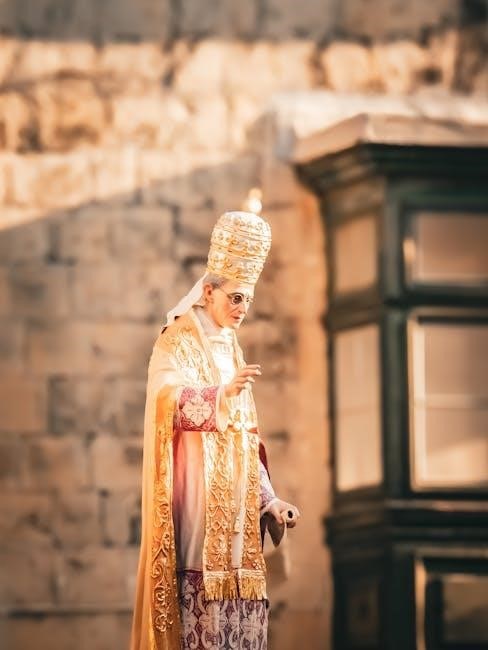
This isn’t worship, but rather a request for their prayers, mirroring how we ask fellow Christians on Earth to pray for us. Simultaneously, we are called to pray for those still purifying in Purgatory, aiding their journey towards eternal bliss.
Such prayerful interaction strengthens our faith and embodies the unity of the Church. It’s a tangible expression of our belief in a spiritual bond that transcends earthly limitations, deeply rooted in the Catholic understanding of salvation and divine grace.
The Forgiveness of Sins
A cornerstone of the Catholic Profession of Faith is the belief in the forgiveness of sins, made possible through the redemptive sacrifice of Jesus Christ. This forgiveness isn’t merely declared, but actively offered and received through the Sacrament of Baptism and, crucially, through the Sacrament of Reconciliation (Confession).
Acknowledging our failings and seeking God’s mercy allows us to be cleansed from sin and restored to a right relationship with Him and the Church. This process isn’t simply about absolution; it’s about genuine conversion of heart and a renewed commitment to living a life of grace;
The Catholic faith affirms that God’s mercy is boundless, and that true repentance opens the door to healing and reconciliation, embodying the core message of hope and redemption.
Resurrection of the Dead and Life Everlasting
Central to the Catholic Profession of Faith is the firm belief in the resurrection of the dead and the promise of life everlasting. This isn’t simply a spiritual concept, but a literal hope for the future restoration of the body, reunited with the soul, in a perfected state.
This belief stems directly from the resurrection of Jesus Christ, who conquered death and opened the path to eternal life for all believers. It affirms that death is not the final end, but a transition to a new and glorious existence with God.
The hope of eternal life fuels our earthly journey, inspiring us to live lives of faith, hope, and charity, anticipating the ultimate fulfillment of God’s promises and a lasting communion with Him.
Hope in Eternal Life
The Catholic Profession of Faith profoundly emphasizes hope in eternal life, a cornerstone of Christian belief and a powerful motivator for present living. This isn’t merely wishful thinking, but a confident expectation rooted in God’s promises and the resurrection of Jesus Christ.
This hope transcends the limitations of earthly existence, offering solace in suffering and a perspective that views trials as opportunities for growth in faith. It’s a belief that our ultimate destiny lies not in death, but in a glorious and unending communion with God.

Living with this hope transforms our priorities, encouraging us to prioritize spiritual values and to act with love and compassion towards others, knowing that our actions have eternal significance. It’s a beacon guiding us towards fulfillment.
The Profession of Faith as a Public Declaration
The Profession of Faith isn’t intended as a private, internal assent to beliefs, but rather as a deliberate and public declaration of one’s adherence to the teachings of the Catholic Church. Historically, this was formalized through solemn oaths, like those taken during the Council of Trent, demonstrating a commitment to orthodox doctrine.
This public nature underscores the communal dimension of faith; belief isn’t solely an individual matter, but is lived out within the context of the Church. By professing faith openly, individuals align themselves with the tradition passed down through Apostolic Succession.
Furthermore, it serves as a witness to the world, proclaiming the truth of the Gospel and inviting others into the fullness of the faith. It’s a bold statement of conviction, rooted in divine revelation and sustained by the communion of saints.



Be the first to reply