Comprehensive instruction manuals for the Sears Kenmore 158 series are readily available in PDF format for convenient download and printing.
Overview of the Kenmore 158 Series
The Kenmore 158 series represents a robust line of sewing machines, highly regarded for their durability and reliable performance. Numerous models fall under this series – 158.120 to 158.950 – each with slight variations. Accessing the correct instruction manual is crucial for understanding your specific machine’s features. These manuals detail everything from basic operations to advanced techniques. Downloadable PDF versions allow for easy access, while printed and bound copies are also available through Sears resources, ensuring long-term usability.
Importance of the Instruction Manual
The instruction manual for your Kenmore 158 sewing machine is an invaluable resource. It provides detailed guidance on setup, threading, stitch selection, and maintenance. Understanding your machine’s specific functions, as outlined in the manual, maximizes its performance and prevents potential damage. Accessing a PDF version allows for quick reference, while a printed copy ensures availability even without internet access. Proper use, guided by the manual, extends the machine’s lifespan and ensures optimal sewing results.

Identifying Your Specific Kenmore 158 Model
Locating your Kenmore 158 model number—like 158.120 or 158.1400—is crucial for downloading the correct, corresponding instruction manual.
Locating the Model Number
Finding your precise Kenmore 158 model number is the first step towards accessing the correct instruction manual. Typically, this number is located on a metal plate affixed to the machine. Carefully inspect the front, back, or underside of your sewing machine for this identifying label.
The model number will often be a series of numbers and decimals, such as 158.120, 158.1400, or 158.1701. Note this number precisely, as it dictates which PDF manual is appropriate for your specific machine. Accurate identification ensures you have the right guidance for operation and maintenance.
Understanding Model Number Variations (e.g., 158.120, 158.1400)
The Kenmore 158 series encompasses numerous variations, each denoted by a unique model number like 158.120, 158.1400, or 158.1701. These numbers signify subtle differences in features or manufacturing dates. It’s crucial to use the exact model number when searching for a manual.
Downloading the wrong manual could lead to incorrect instructions. Variations may affect stitch options, presser foot compatibility, or specific maintenance procedures. Always confirm the full model number on your machine’s identification plate to ensure compatibility with the downloaded PDF document.
Setting Up Your Sewing Machine
Proper setup involves attaching the power cord, winding the bobbin, carefully threading both upper thread and inserting the bobbin correctly.
Attaching the Power Cord
Before operation, ensure the sewing machine is switched off. Locate the power cord receptacle, typically on the machine’s rear panel. Firmly insert the power cord plug into the receptacle, verifying a secure connection. Always use a properly grounded outlet to prevent electrical hazards. Avoid using damaged cords, and never operate the machine with a loose connection. Prioritize electrical safety during setup and throughout the sewing process, adhering to all general safety guidelines outlined in the manual for optimal performance and user protection.
Winding the Bobbin
Begin by placing the spool of thread onto the spool pin. Guide the thread through the thread guides, ensuring it smoothly travels towards the bobbin winder. Securely attach an empty bobbin to the bobbin winder spindle. Engage the bobbin winder mechanism, typically by pushing it to the right. Start the machine slowly, allowing the thread to wind evenly onto the bobbin. Once full, the winder will automatically stop; trim the thread and remove the fully wound bobbin for insertion.
Threading the Upper Thread
Raise the presser foot to disengage the tension discs. Position the spool of thread on the spool pin. Guide the thread through the first thread guide, then down and around the tension discs. Continue threading through the take-up lever and then down to the needle bar. Finally, thread the needle from front to back. Ensure the thread is securely seated in the needle clamp before lowering the presser foot and beginning to sew.
Inserting the Bobbin
Open the bobbin case cover. Gently insert the wound bobbin into the bobbin case, ensuring the thread unwinds in the correct direction – typically counterclockwise. Guide the thread through the tension spring of the bobbin case. Replace the bobbin case cover, snapping it securely into place. Finally, draw up the bobbin thread by gently holding the upper thread and turning the handwheel towards you, confirming both threads are engaged for sewing.
Basic Sewing Operations
The Kenmore 158 offers diverse stitch types, adjustable length and width, and simple start/stop functionality, alongside a convenient reverse sewing option.
Selecting Stitch Types
The Kenmore 158 sewing machine provides a variety of stitch options to accommodate diverse projects. Refer to your specific model’s manual for a detailed stitch guide, as availability varies. Commonly found stitches include straight stitch, zigzag stitch, and buttonhole settings. The stitch selection dial allows you to easily choose the desired stitch pattern. Experiment with different stitches on scrap fabric to understand their unique applications before starting your project. Proper stitch selection is crucial for achieving professional-looking results and ensuring the durability of your seams. Always consult the manual for optimal settings based on fabric type and desired outcome.
Adjusting Stitch Length and Width
Your Kenmore 158 allows precise control over stitch length and width, impacting the appearance and strength of your seams. Locate the corresponding dials or levers – consult your manual for exact positioning. Shorter stitch lengths are ideal for delicate fabrics and increased durability, while longer lengths suit basting or gathering. Adjusting stitch width modifies the zigzag pattern’s breadth. Always test settings on scrap fabric before sewing your project. Incorrect settings can cause puckering or weak seams. Refer to the manual’s guidelines for recommended settings based on fabric type and stitch selection.
Starting and Stopping the Machine
To begin sewing with your Kenmore 158, gently depress the foot pedal; sewing speed is directly proportional to pedal pressure. Ensure the presser foot is down before starting, as this engages the feed dogs. To stop, release the foot pedal. Always lift the presser foot and needle to its highest position before pivoting fabric; Never force the fabric; let the machine’s feed dogs guide it. For precise stopping points, use the reverse stitch function for a few stitches to secure the seam.
Reverse Sewing
The Kenmore 158 utilizes a lever or button to engage reverse sewing, typically located near the handwheel. Depressing this lever while simultaneously pressing the foot pedal allows you to sew backwards. This function is crucial for securing seams at the beginning and end of a stitch line, preventing unraveling. Use reverse sparingly – a few stitches are usually sufficient. Releasing the reverse lever returns the machine to forward sewing. Practice on scrap fabric to master smooth transitions between directions.
Advanced Sewing Techniques
Explore diverse presser feet, buttonhole creation, zipper insertion, and decorative darning with your Kenmore 158, expanding your sewing capabilities significantly.
Using Different Presser Feet
The Kenmore 158 sewing machine’s versatility expands dramatically with the use of specialized presser feet. Your manual details various feet for specific tasks, enhancing precision and efficiency. Explore options like the zipper foot for close-stitch applications, the buttonhole foot for consistent results, and the darning foot for freehand embroidery and mending.
Understanding each foot’s function unlocks advanced techniques, allowing you to tackle diverse projects with confidence. Proper foot selection ensures optimal fabric handling and stitch quality, elevating your sewing experience.
Sewing Buttonholes
The Kenmore 158 manual provides detailed instructions for creating professional-looking buttonholes. Begin by attaching the designated buttonhole foot, ensuring it’s securely in place. Select the appropriate buttonhole setting on your machine, referencing the manual for guidance based on button size.
Carefully position your fabric and follow the machine’s markings for accurate buttonhole placement. Practice on scrap fabric first to refine your technique and achieve consistent results. The manual illustrates each step for flawless buttonholes.
Zipper Insertion
The Kenmore 158 manual details several zipper insertion techniques, including centered, overlapped, and invisible zippers. Attach the appropriate zipper foot, crucial for close stitching. Begin by basting the zipper in place for a secure fit before final stitching.
The manual provides clear diagrams illustrating proper alignment and stitch selection. Practice on scrap fabric to master the technique. Consistent pressure and slow, steady sewing are key to achieving a professional zipper application with your Kenmore machine.
Darning and Freehand Embroidery
The Kenmore 158 manual explains utilizing the drop feed mechanism for darning and freehand embroidery. Lowering the feed dogs allows complete control over fabric movement. Employ darning stitches for repairing holes or creating decorative patterns.
For embroidery, use an embroidery foot and select a suitable stitch. The manual suggests practicing stitch variations on scrap fabric. Consistent hand guidance and appropriate thread choices are vital for successful artistic expression with your Kenmore sewing machine.
Maintenance and Troubleshooting
The Kenmore 158 manual details cleaning, oiling, and resolving issues like thread breakage or skipped stitches for optimal performance.
Cleaning the Machine
Regular cleaning, as outlined in the Kenmore 158 manual, is crucial for maintaining peak sewing performance. Dust and lint accumulation can hinder operation and cause malfunctions. The manual instructs users to unplug the machine before cleaning. Use a soft brush to remove lint from the bobbin area, feed dogs, and other accessible parts. A small vacuum cleaner attachment can also be helpful. Avoid using liquids directly on the machine; instead, dampen a cloth and gently wipe surfaces. Proper cleaning extends the machine’s lifespan and ensures smooth, reliable sewing.
Oiling the Machine
The Kenmore 158 sewing machine manual emphasizes the importance of periodic oiling for smooth operation. Locate the oiling points as indicated in the manual’s diagrams – typically around the bobbin area, gears, and moving parts. Use only sewing machine oil; other lubricants can cause damage. Apply a small drop of oil to each point, and then operate the machine briefly to distribute the oil. Wipe away any excess oil to prevent staining fabric. Consistent oiling, as per the manual, minimizes friction and extends the machine’s life.
Troubleshooting Common Problems (Thread Breakage, Skipped Stitches)
The Kenmore 158 manual addresses frequent issues like thread breakage and skipped stitches. For thread breaks, re-thread the machine correctly, ensuring proper tension and a suitable needle. Skipped stitches often indicate a dull or incorrect needle for the fabric type. Check the needle’s insertion and ensure it’s fully seated. Also, verify correct threading and bobbin winding. Refer to the manual’s diagrams for visual guidance, and always use recommended Kenmore needles.
Needle and Thread Selection
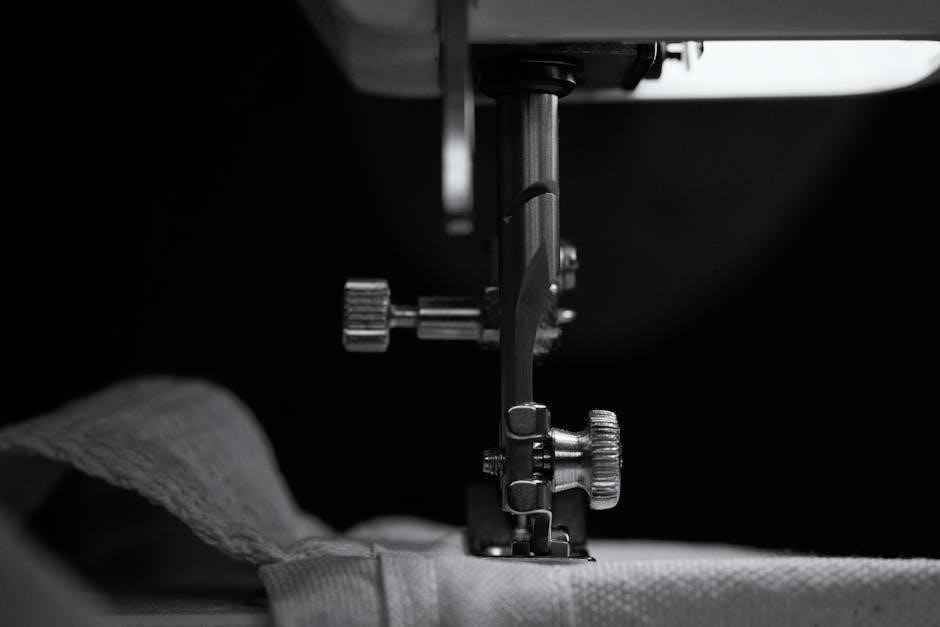
The Kenmore 158 manual emphasizes fabric choice dictates needle and thread selection; Kenmore needles are recommended, available at Sears stores.
Kenmore Recommended Needles
The Kenmore 158 sewing machine instruction manual strongly advocates for utilizing Kenmore-branded needles for optimal performance and to maintain the machine’s warranty. If a Kenmore needle isn’t accessible, carefully consult the provided illustration within the manual to guarantee the selected needle’s size is perfectly suited for the fabric being used. Proper needle size is crucial for preventing damage to both the fabric and the machine itself.
Choosing the Right Needle for Different Fabrics
The Kenmore 158 manual emphasizes that fabric selection dictates needle choice. Lighter fabrics necessitate finer needles – a size 60/8 or 70/10 is often ideal – while heavier materials, like denim or canvas, demand robust needles, such as 90/14 or even 100/16. Utilizing the incorrect needle can lead to skipped stitches, thread breakage, or fabric damage. Always refer to the manual’s guidance for specific fabric recommendations and corresponding needle sizes for best results.
Thread Types and Their Applications
The Kenmore 158 sewing machine manual doesn’t detail specific thread types extensively, but emphasizes matching thread to fabric weight. General purpose polyester thread suits most projects. For stretch fabrics, utilize elastic thread. Heavy-duty applications, like upholstery, require stronger threads like nylon or thicker polyester. Always test thread compatibility with your chosen fabric to prevent puckering or breakage. Proper thread selection ensures seam strength and longevity, contributing to a professional finish.
Understanding Machine Parts
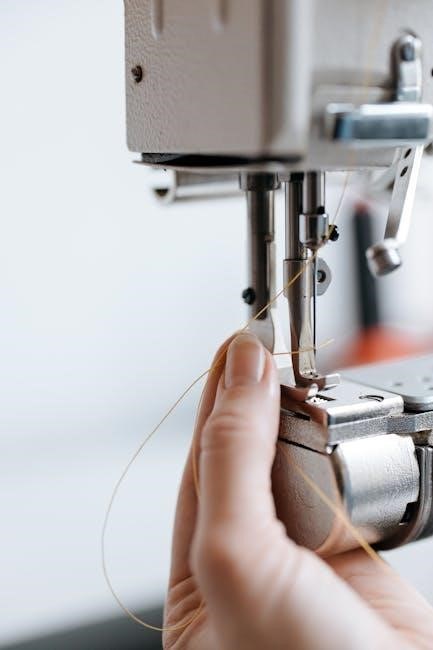
Key components like the presser foot, feed dogs, and bobbin case are crucial for operation; the manual details each part’s specific function.
Identifying Key Components (Presser Foot, Feed Dogs, Bobbin Case)
The Kenmore 158’s presser foot applies pressure to the fabric, ensuring even feeding. Beneath, the feed dogs move the material through the machine consistently. The bobbin case, holding the lower thread, works in tandem with the upper thread to create stitches. Understanding these parts—detailed in the manual—is vital. Proper function of each component guarantees smooth sewing. Diagrams within the manual clearly illustrate their locations and how they interact during operation, aiding in maintenance and troubleshooting. Familiarity with these key elements unlocks optimal machine performance.
Function of Each Part
The Kenmore 158’s parts work harmoniously. The presser foot secures fabric, while feed dogs advance it. The bobbin case houses lower thread, forming stitches with the upper thread. The manual details how each component contributes to the sewing process. Correct needle and thread selection, as outlined, are crucial. Understanding these functions enables effective troubleshooting and maintenance. Proper operation ensures consistent stitch quality and prevents issues like thread breakage or skipped stitches. Referencing the diagrams in the manual clarifies each part’s role.
Downloading and Accessing Manuals
PDF manuals for the Kenmore 158 are easily found online, offering instant access for saving and printing, or ordering a bound copy.
Finding PDF Manuals Online
Numerous websites archive Kenmore 158 sewing machine manuals in PDF format, providing free and immediate access to valuable resources. These digital copies allow users to easily save, view, and print instructions for their specific model – whether it’s a 158.120, 158.1400, or another variation.
The Sears archive is a particularly useful source, offering a wealth of documentation. Searching online using specific model numbers will quickly yield downloadable manuals, ensuring you have the correct guide for your machine. These PDFs are often searchable, allowing quick access to specific troubleshooting steps or operational details.
Sears Archive Resources
The Sears archive represents a crucial repository for Kenmore 158 sewing machine manuals, offering a direct link to original documentation. These resources are provided as a courtesy, with efforts made to ensure readability and searchability using the “Ctrl F” function.
Customers can access a variety of manuals, including those for specific models like the 158.19142. While generally reliable, users are encouraged to report any unreadable, incorrect, or inappropriately shared information found within the archive, contributing to the resource’s ongoing accuracy.
Printing and Binding Manuals
After downloading your Kenmore 158 sewing machine manual in PDF format, you have the option to print and physically bind it for convenient use. This creates a durable, readily accessible reference guide, eliminating the need for constant digital access.
The downloadable manuals are designed for self-printing, allowing users to create a personalized manual tailored to their needs. This is particularly useful for those who prefer a tangible resource while working on sewing projects, ensuring instructions are always within reach.
Service Sheets and Repair Information
Kenmore 158 service sheets and diagrams are accessible online, providing detailed insights for repairs and maintenance of your sewing machine.
Accessing Kenmore 158 Service Sheets
Locating Kenmore 158 service sheets is crucial for in-depth repairs beyond basic troubleshooting. These sheets contain exploded diagrams and detailed instructions for disassembly, part identification, and reassembly. Resources online offer these valuable documents, often in PDF format, specifically for models like the 158.17520.
These service sheets aid in understanding the internal workings of the machine, assisting with complex fixes and ensuring proper functionality. They are essential for experienced repair technicians or those comfortable with mechanical work.
Understanding Service Diagrams
Kenmore 158 service diagrams are detailed visual guides essential for machine repair. These exploded views illustrate each component’s precise location and relationship to others, aiding in disassembly and reassembly. Understanding these diagrams requires recognizing key parts like the bobbin case, feed dogs, and presser foot.
Numbered parts lists accompany the diagrams, facilitating accurate identification and ordering of replacement components. Careful study of these diagrams is vital for successful and efficient machine maintenance and repair.

Safety Precautions
Always follow general safety guidelines and electrical safety protocols when operating your Kenmore 158 sewing machine to prevent potential hazards.
General Safety Guidelines
Before operating your Kenmore 158, carefully read the entire instruction manual to understand all safety precautions. Keep fingers away from the needle while sewing; accidental punctures can occur; Always disconnect the power cord before changing the needle, threading, or performing any maintenance. Never pull fabric while the machine is running, and avoid sewing over pins. Ensure the machine is stable and on a flat surface during operation. Keep the machine out of reach of children, and never leave it unattended while plugged in.
Electrical Safety
Always verify the voltage indicated on the machine matches your household power supply before plugging it in. Never operate the Kenmore 158 with a damaged power cord or plug; replace them immediately. Avoid using extension cords if possible, and if necessary, ensure it’s properly rated for the machine’s amperage. Do not expose the machine to moisture or operate it outdoors. Disconnect the power cord from the outlet when not in use and before cleaning or servicing. Grounding is essential for electrical safety.
Specific Model Manuals Available
Downloadable PDF manuals exist for Kenmore 158 models 158.120-158.1358, 158.1400-158.1690, and 158.1701-158.950, offering detailed guidance.
Kenmore 158.120 — 158.1358 Manuals
For Kenmore sewing machines within the 158.120 to 158.1358 range, readily accessible instruction manuals are available for download as PDF documents. These manuals provide comprehensive guidance on operating, maintaining, and troubleshooting your specific machine model. They detail everything from initial setup – including bobbin winding and threading – to advanced techniques like buttonhole creation.
Accessing these resources ensures you can maximize your sewing machine’s capabilities and address any operational challenges effectively. Printed and bound copies are also obtainable through dedicated services, offering a tangible reference guide.
Kenmore 158.1400 ― 158.1690 Manuals
Owners of Kenmore sewing machines falling between models 158.1400 and 158.1690 can easily locate their corresponding instruction manuals online. These manuals, available as downloadable PDF files, offer detailed instructions covering all aspects of machine operation, from basic sewing to more complex techniques.
You’ll find guidance on threading, stitch selection, maintenance, and troubleshooting common issues. Options exist to download, print, and even have these manuals professionally bound for convenient access during your sewing projects.
Kenmore 158.1701 ― 158.950 Manuals
For Kenmore sewing machine models ranging from 158.1701 to 158.950, comprehensive instruction manuals are accessible for download. These PDF manuals provide a wealth of information, guiding users through setup, operation, and maintenance procedures. They cover essential topics like threading, bobbin winding, stitch selection, and resolving common sewing problems.
Accessing these resources ensures optimal performance and longevity of your machine, empowering you to tackle diverse sewing projects with confidence and ease.



Be the first to reply